



How to ask better questions
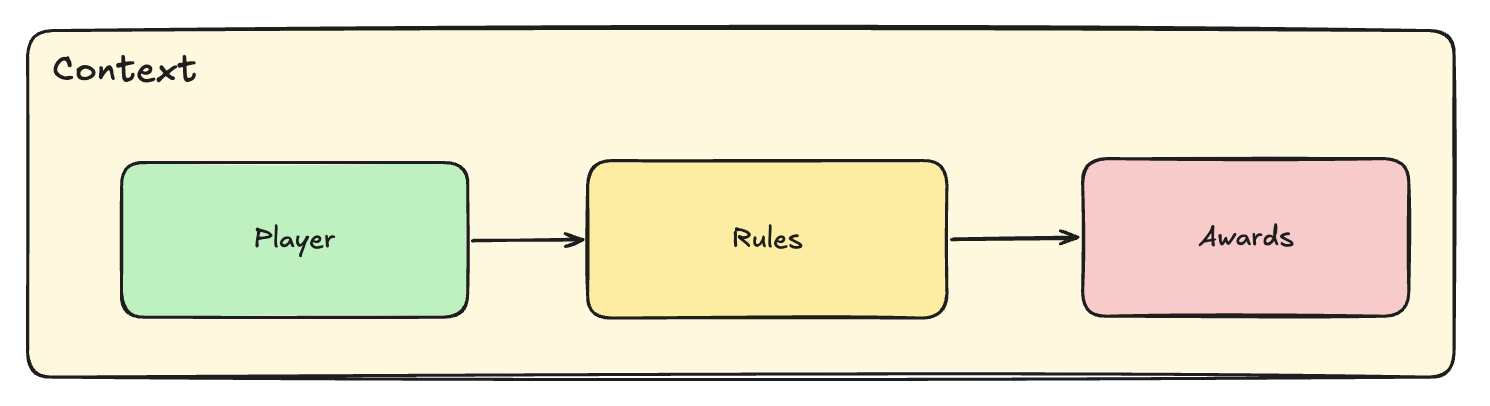
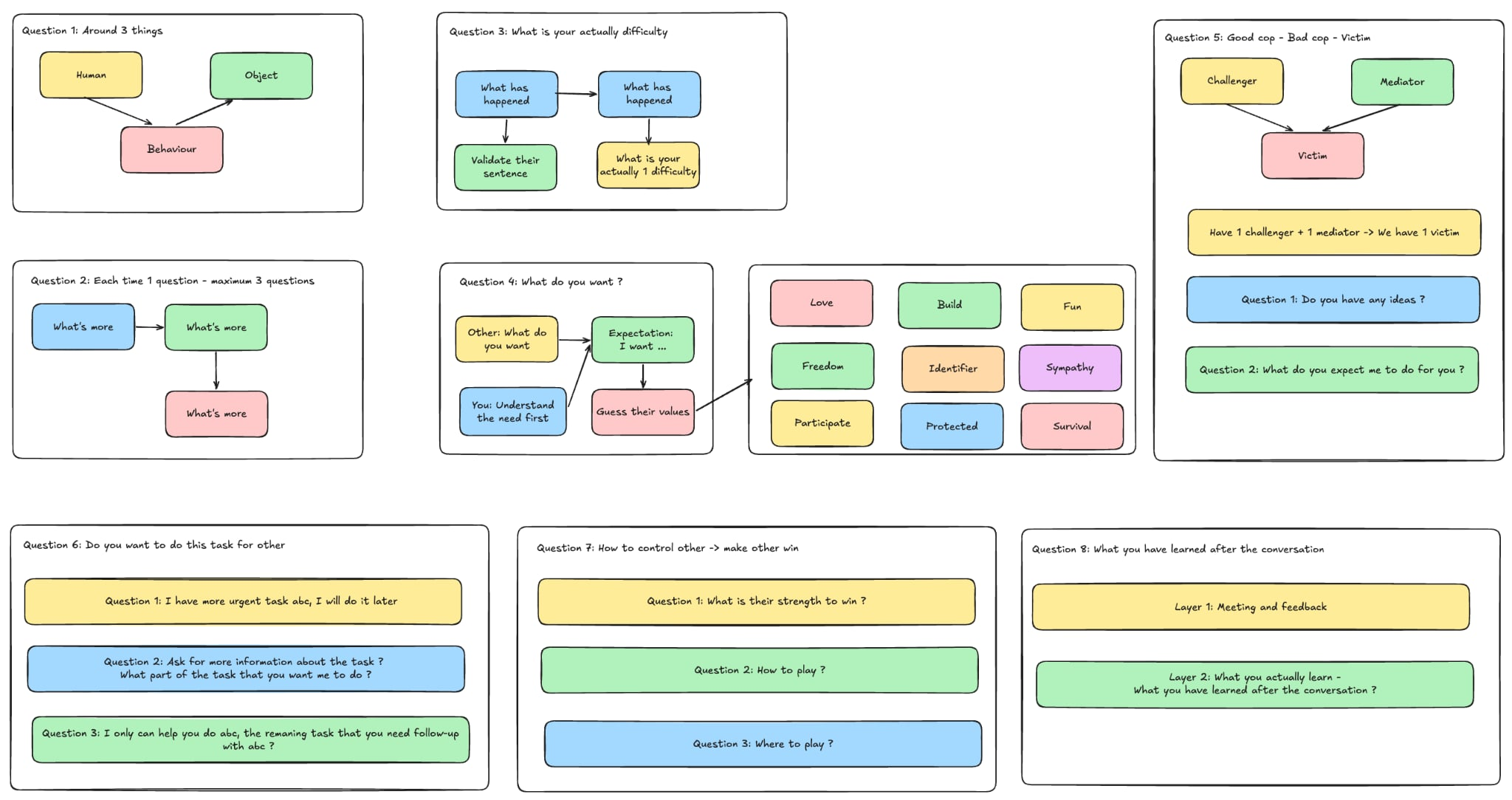
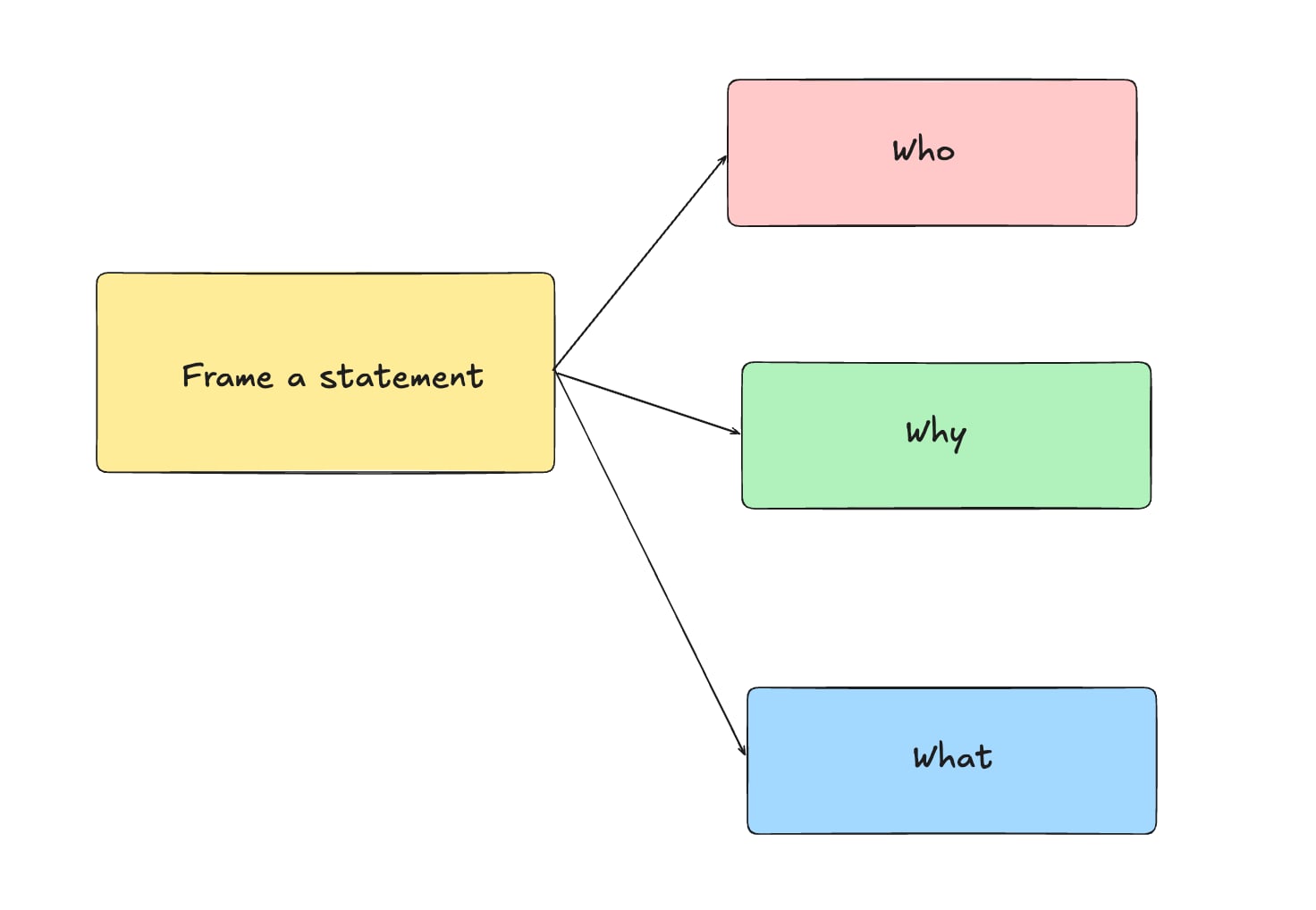
A clear question usually has 3 parts:
- Context – what you’re talking about
- Main point – exactly what you want to know
- Details/constraints – important limits, examples, or goals
Tips to Ask Better Questions
- Be specific
- Include examples or errors
- Mention your goal
- Keep one main question at a time
- Say what you already tried
What is a 1 stupid questions ?
- The Context Gap - They’re missing fundamental information. If someone asks “Why can’t we just change the font on the website?” and you know there’s a brand guide with seventeen specific typography rules, that’s a context gap. The patience required is explanatory patience - taking the time to build the mental model they’re missing instead of just saying “Because brand guidelines” and walking away.
- The Skill Issue - They don’t know how to do something yet. Someone asking “How do I attach a file?” isn’t being deliberately obtuse; they genuinely don’t know which button does what. This requires teaching patience - the willingness to show them the paperclip icon instead of just doing it for them and silently judging their technical competence.
- The Confidence Problem - They know the answer but want validation. These are the “I think I should send this email, but should I?” questions when the email is clearly fine and they obviously have email-sending authority. This requires calibration patience - helping them trust their own judgement instead of becoming their personal decision-validation service.
- The Trigger Question - Sometimes a question isn’t objectively stupid, but it hits your personal triggers like a perfectly aimed psychological dart. Maybe someone asking “Can you just quickly check this?” reminds you of your last manager who never checked anything properly themselves. This requires emotional patience - separating your baggage from their actual need.
May 25, 2026