



Viết về cách tổ chức meeting hiệu quả
An Ne-Ti style usually prepares best by balancing:
Ne (Extraverted Intuition) → explore many possibilities, perspectives, risks Ti (Introverted Thinking) → organize ideas into clear logical structure
The common problem is:
-
too many ideas,
-
not enough structure,
-
or deep thinking without translating for others.
A good preparation framework is:
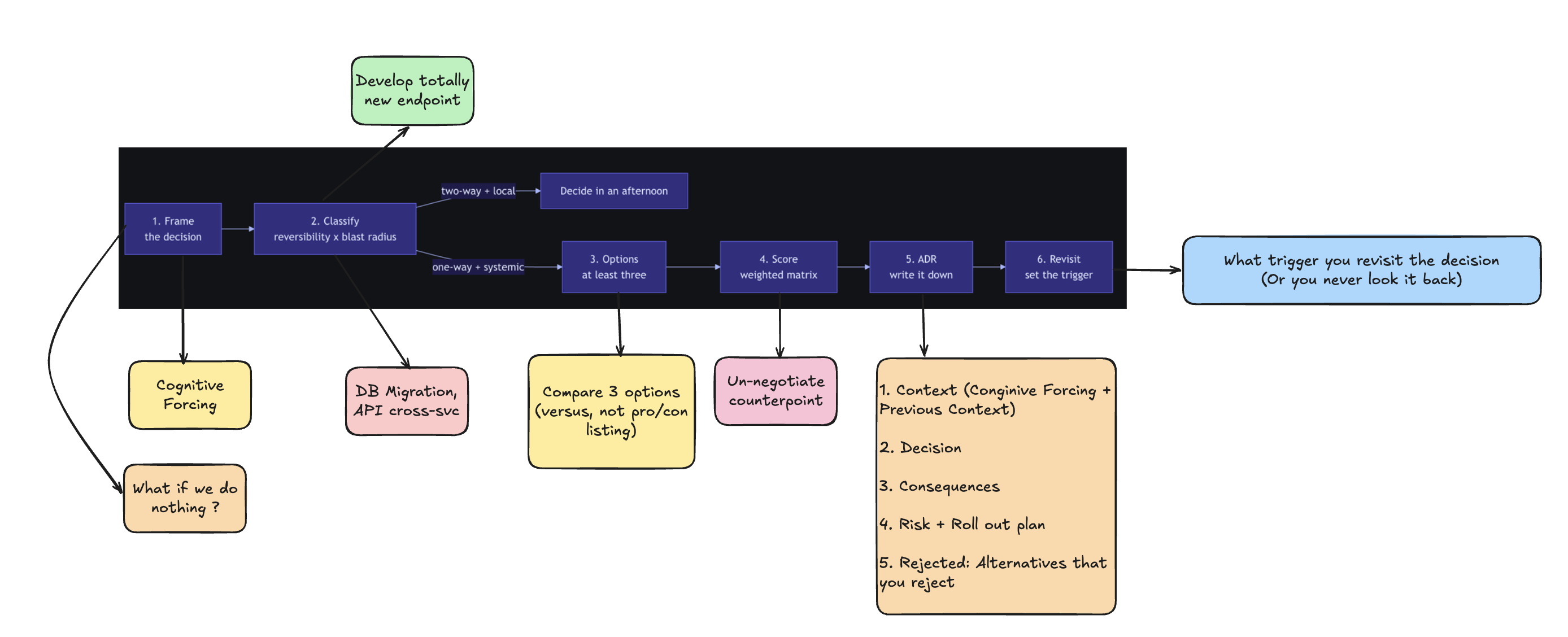
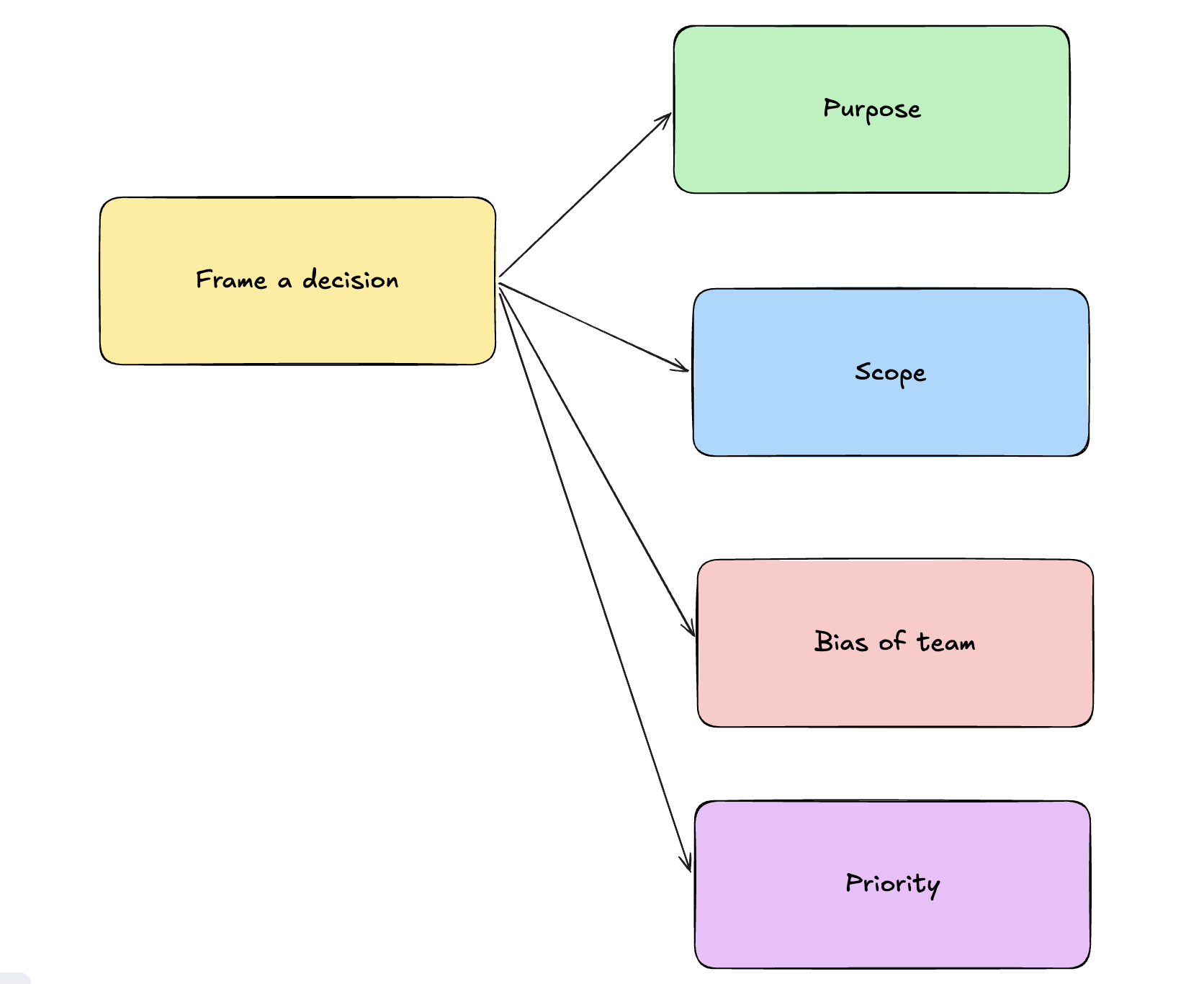
1. Define the meeting outcome first
Before collecting information, answer:
-
What decision is needed?
-
What problem are we solving?
-
What does success after this meeting look like?
Example:
-
align stakeholders,
-
approve architecture,
-
reduce uncertainty,
-
decide tradeoff.
Without this, Ne keeps expanding endlessly.
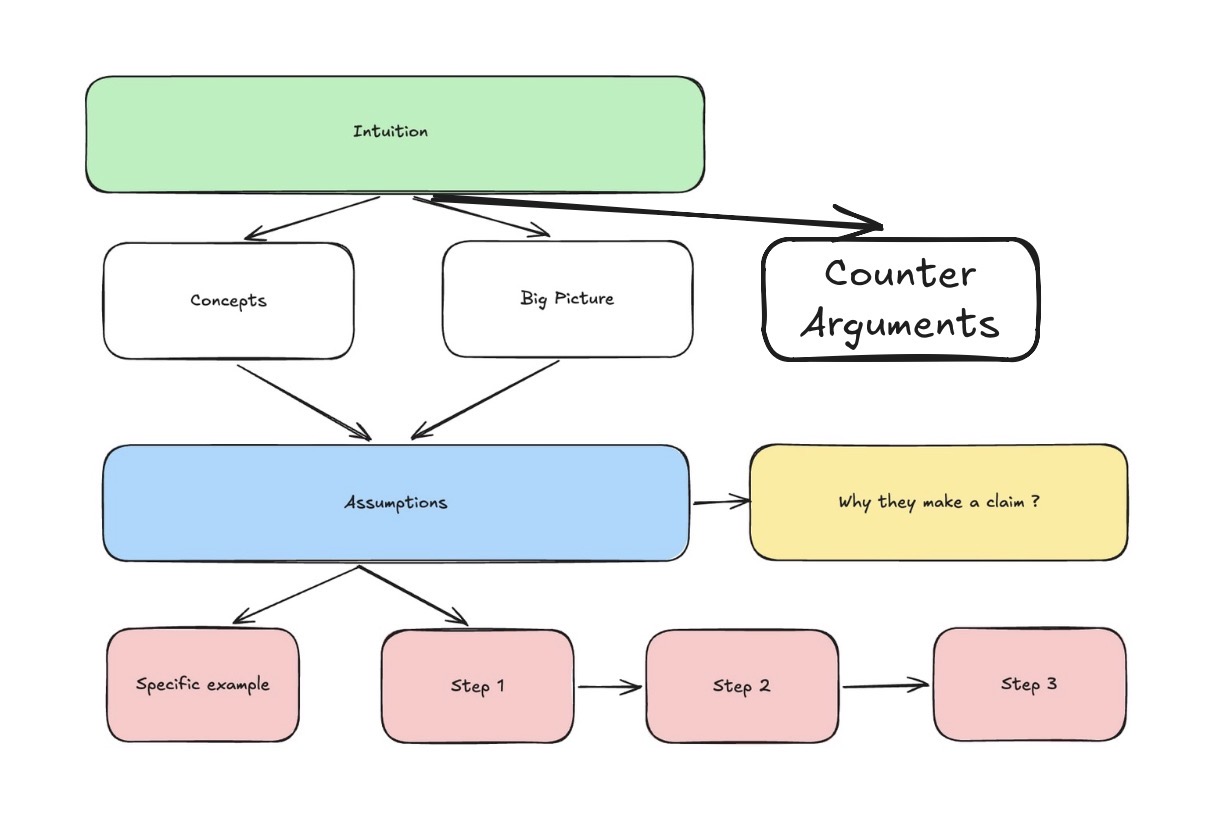
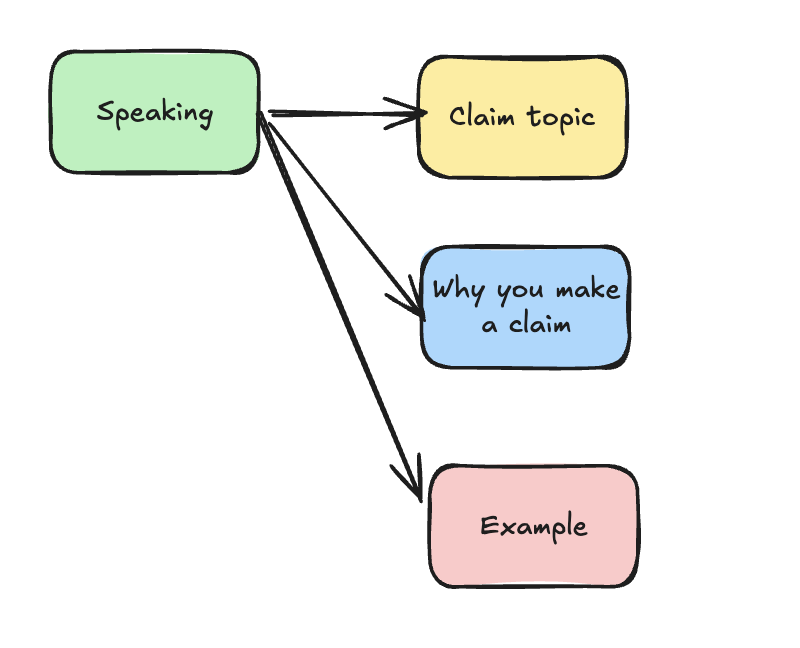
2. Prepare “logic skeleton”, not full script
Ti works better with structure than memorization.
Prepare:
- Context
- Problem
- Assumptions
- Options
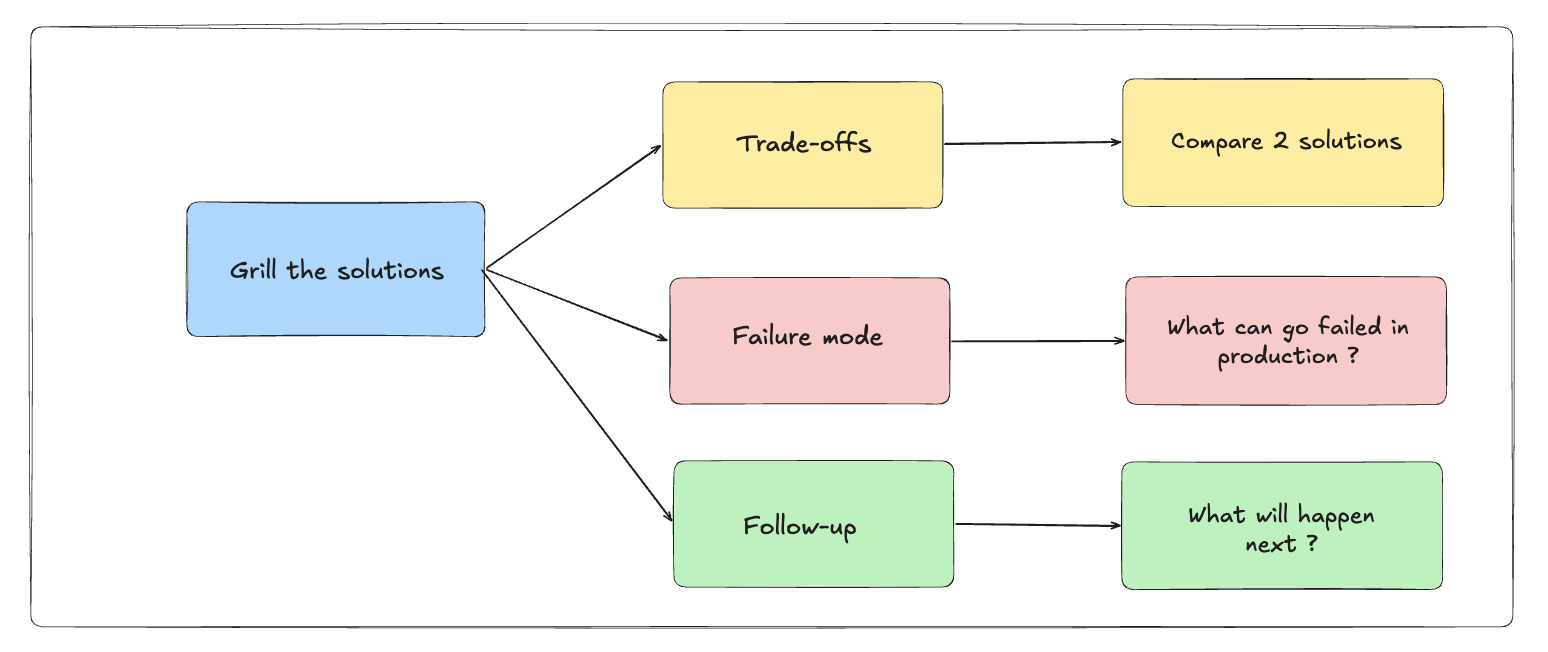
- Tradeoffs
- Recommendation
- Risks / open questions
This prevents rambling.
3. Predict perspectives, not just answers
Ne strength is perspective simulation.
Ask:
-
What will PM care about?
-
What will designer worry about?
-
What will senior engineer challenge?
-
What business risk exists?
This makes communication smoother because people feel understood.
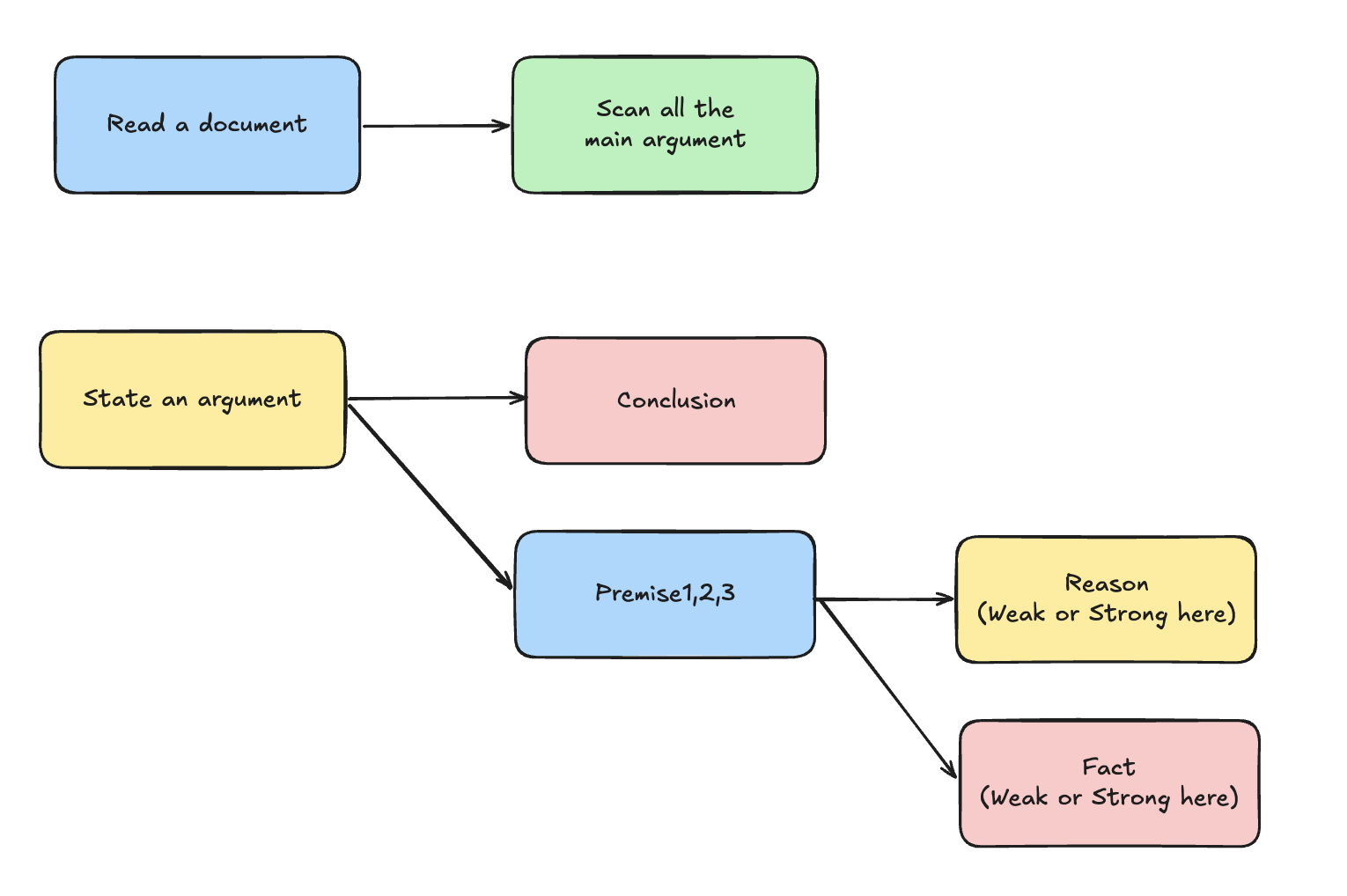
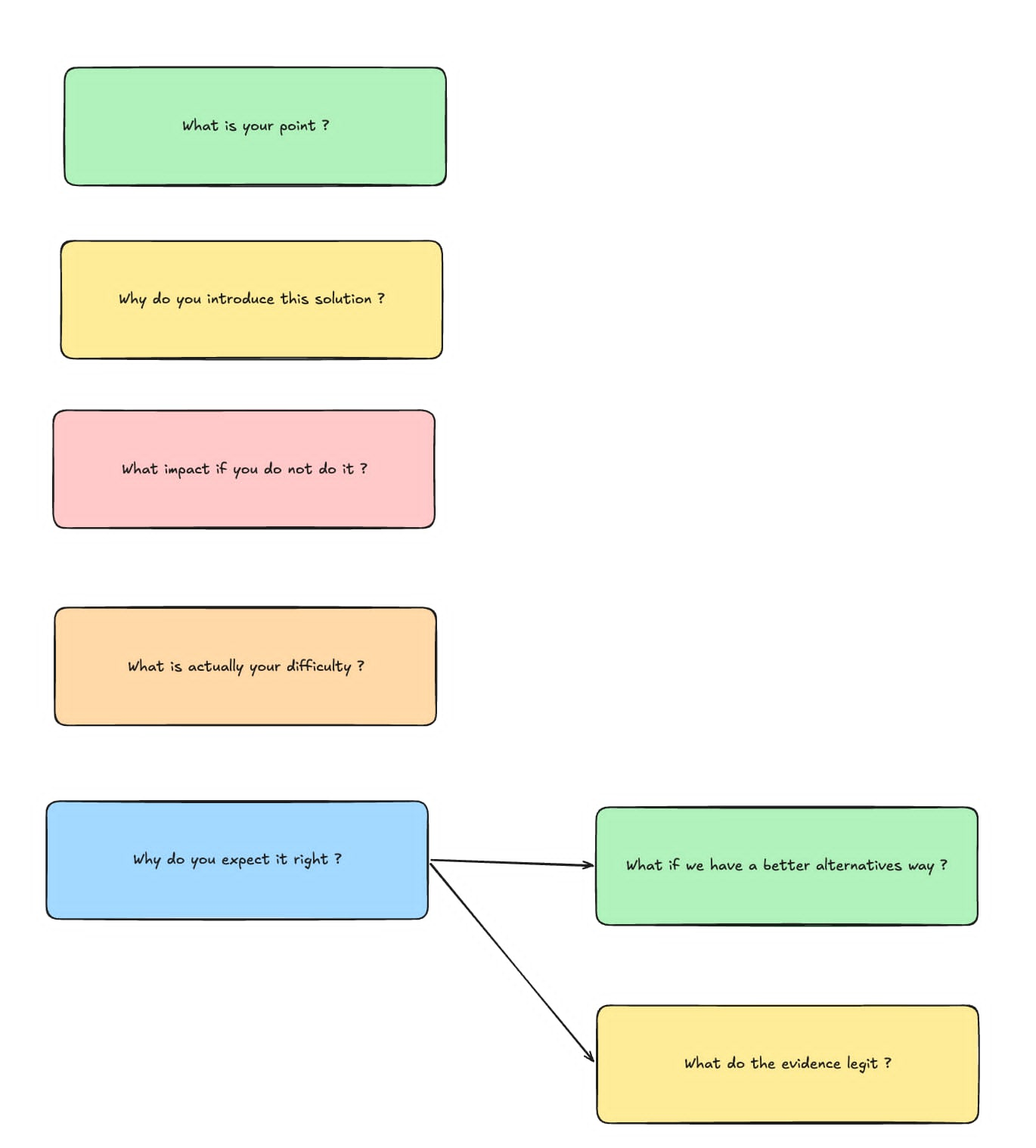
4. Prepare evidence for key claims
Ti users often know something internally but forget to externalize reasoning.
For every important point:
-
data,
-
metric,
-
example,
-
failure case,
-
comparison.
Not “I think”.
Instead:
-
“This reduces DB load because…”
-
“This avoids retry duplication because…”
5. Reduce idea branching during meeting
Ne can generate ideas live forever.
Before meeting:
choose
-
1 primary recommendation,
-
1 fallback,
-
1 uncertainty.
Otherwise communication becomes scattered.
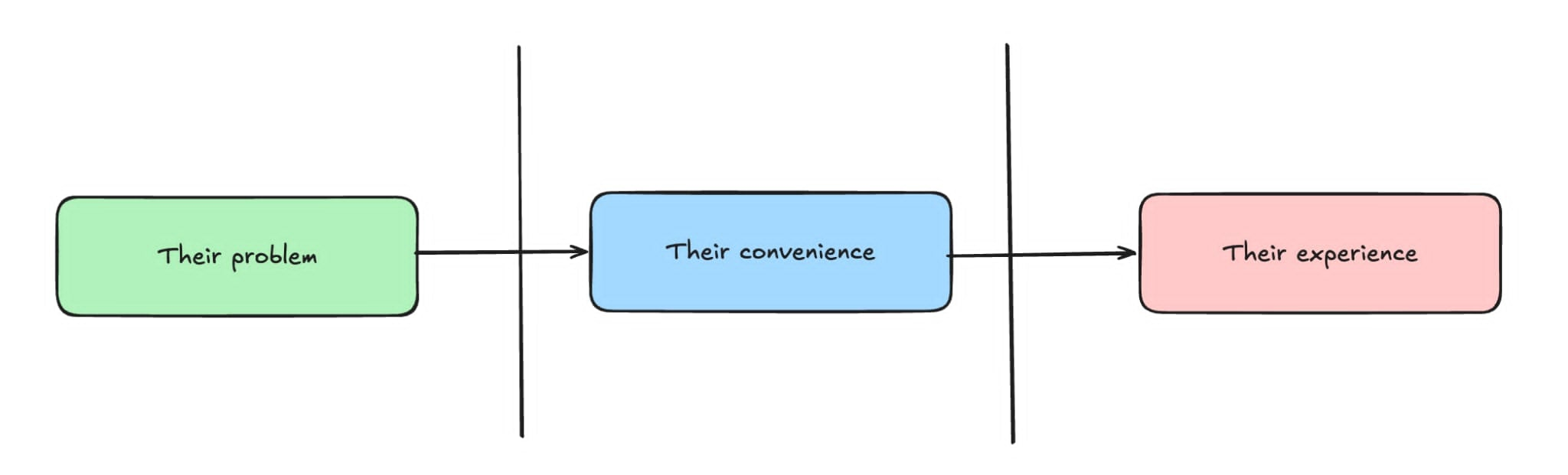
6. Translate complexity into stakeholder language
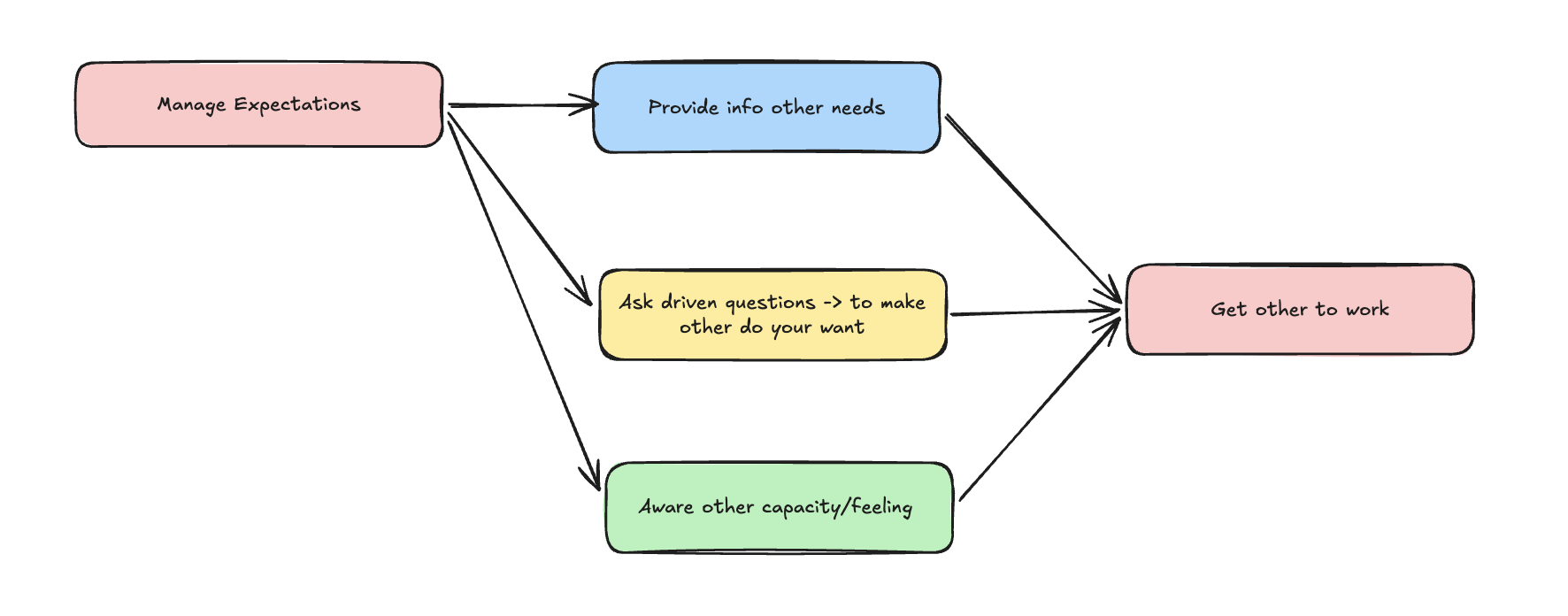
Different stakeholders hear different things:
-
PM → impact, priority, risk
-
Designer → user experience
-
Engineer → implementation/tradeoff
-
Manager → timeline/business cost
Strong communication is not only being correct. It is making others able to process your idea.
7. Simple preparation template:
-
Goal:
-
Current problem:
-
Root cause:
-
Proposed solution:
-
Why this solution:
-
Tradeoffs:
-
Risks:
-
What decision is needed:
That is usually enough for most technical meetings.