















How to answer AWS Solution Architect Solution
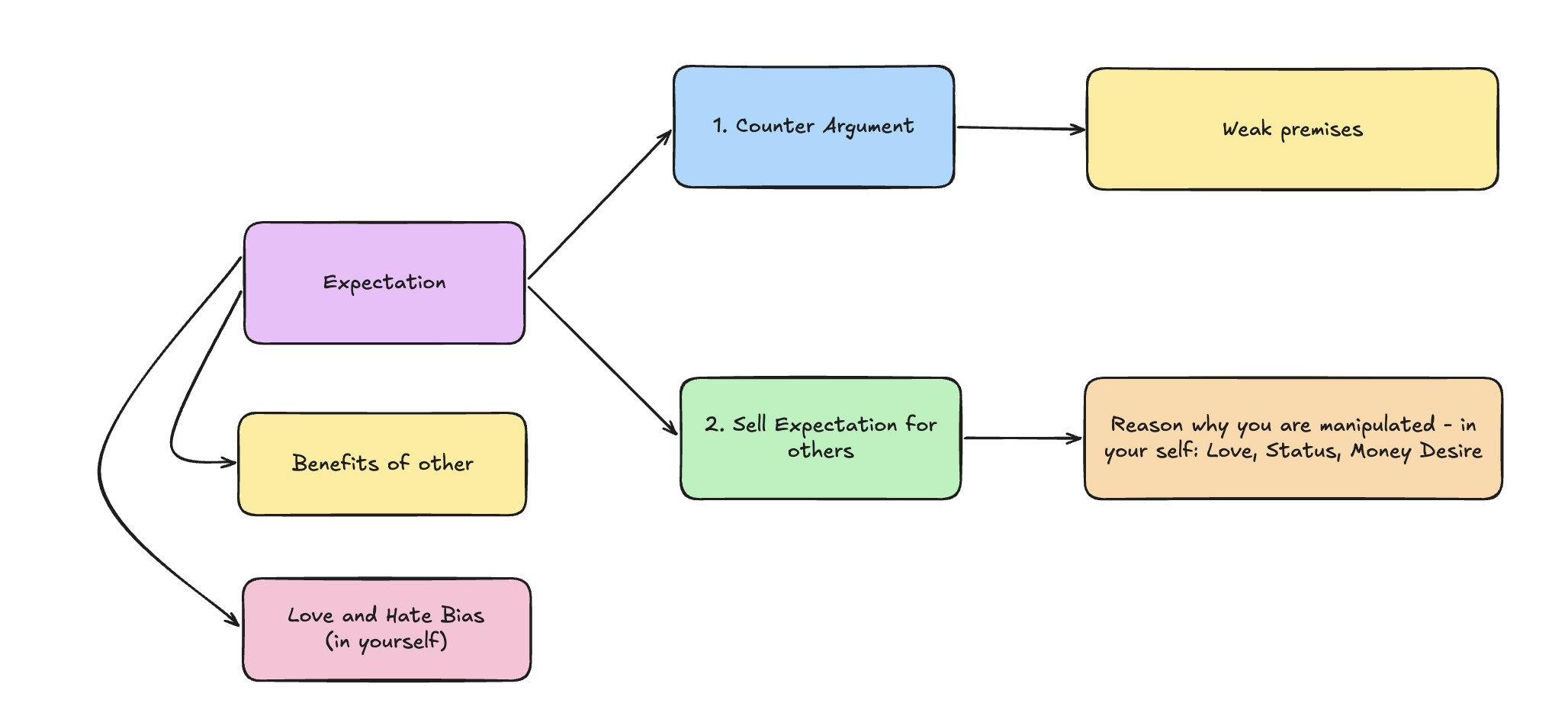
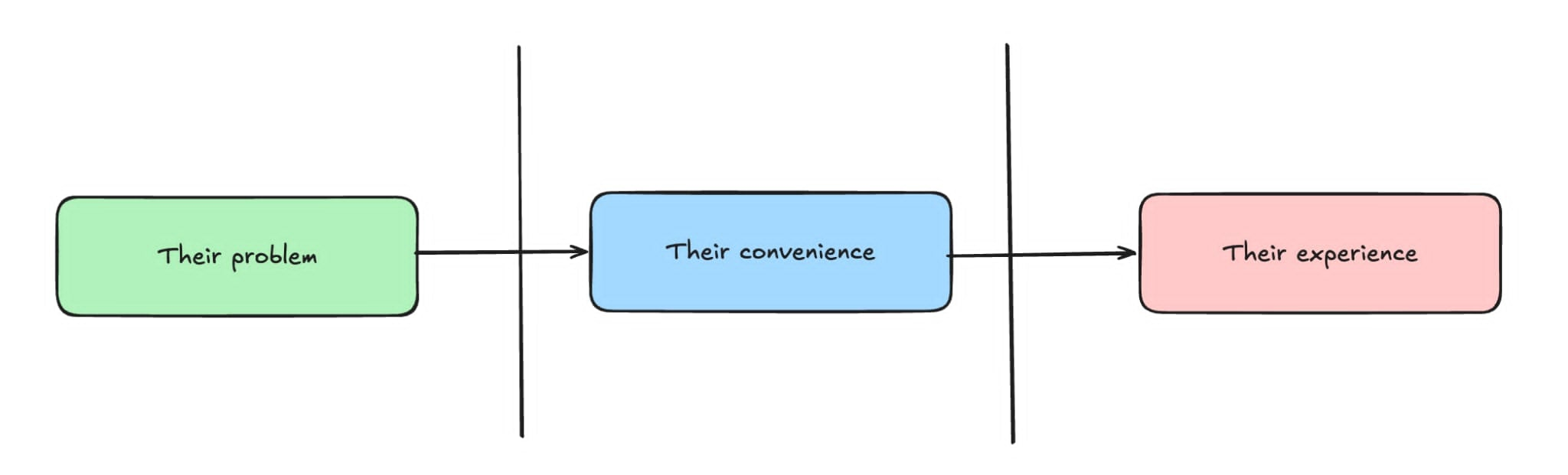
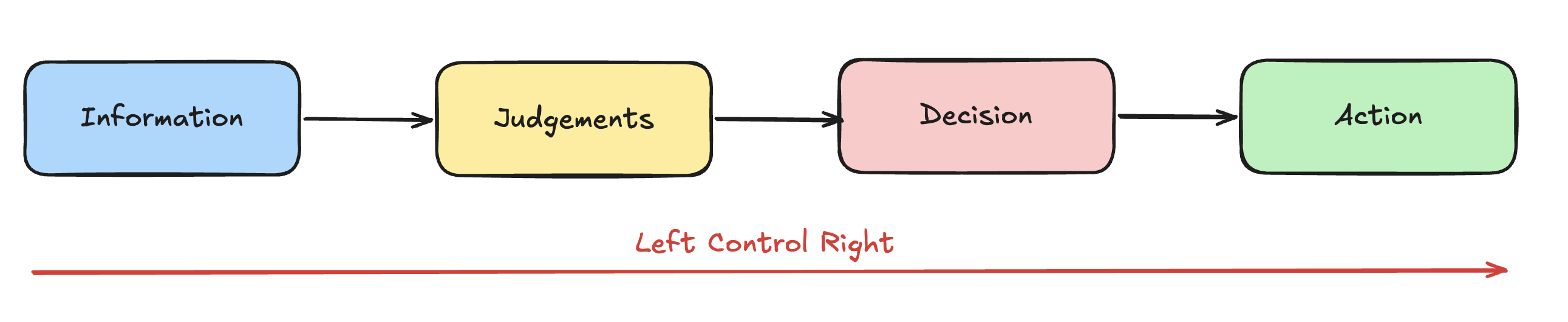
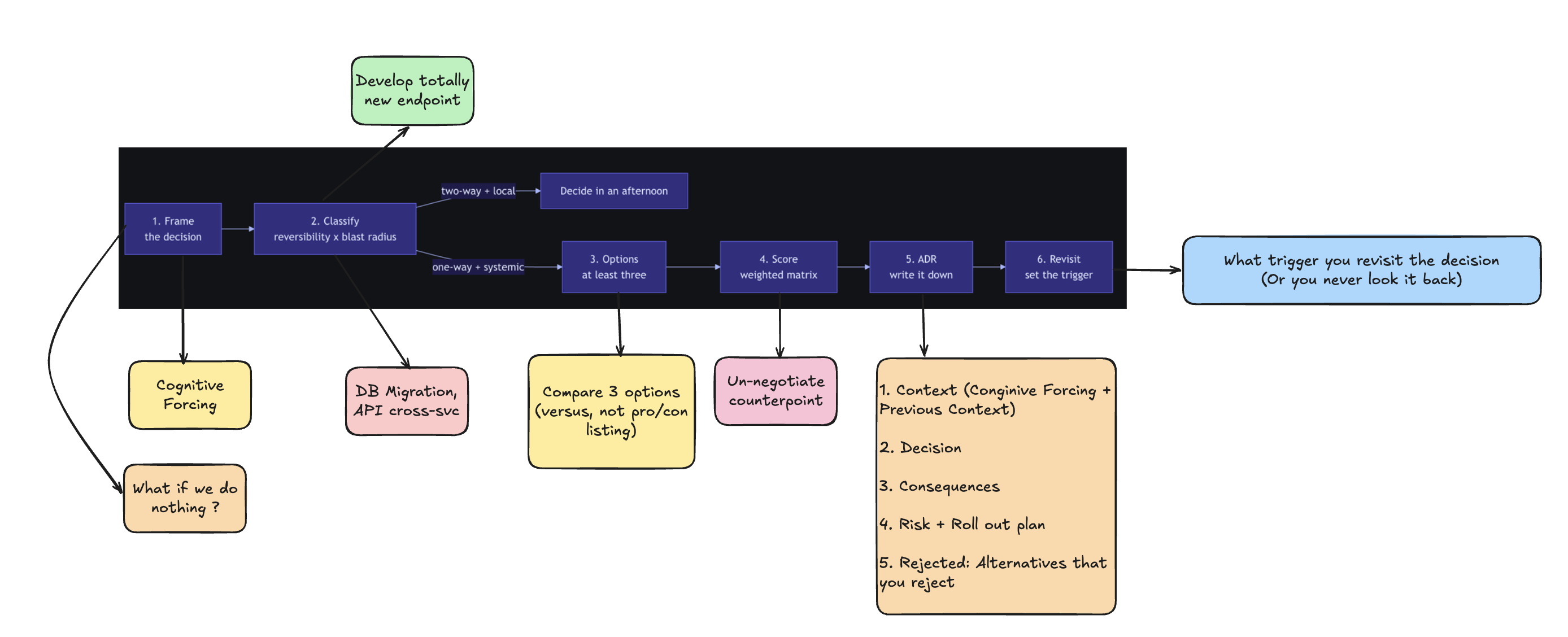
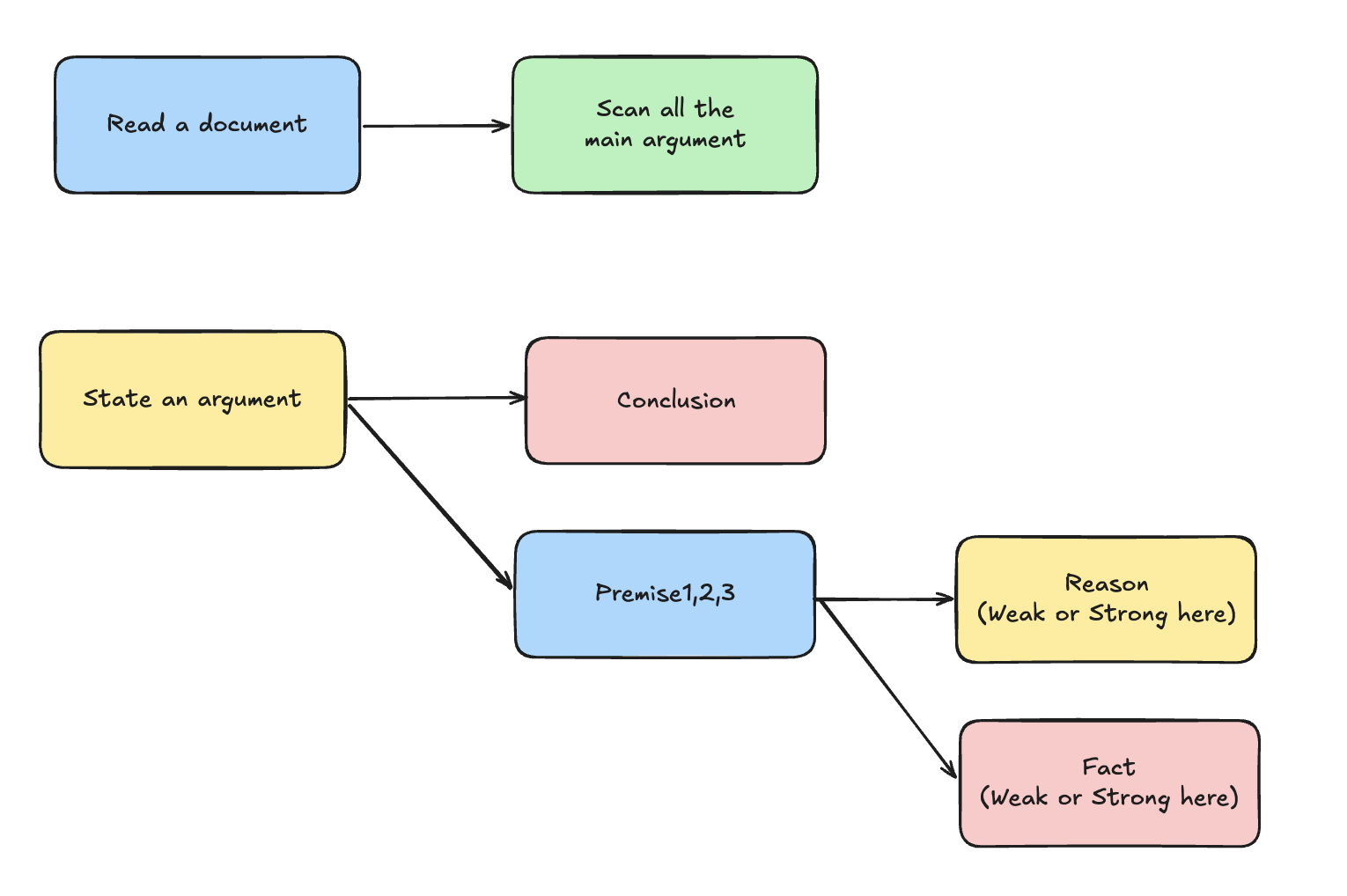
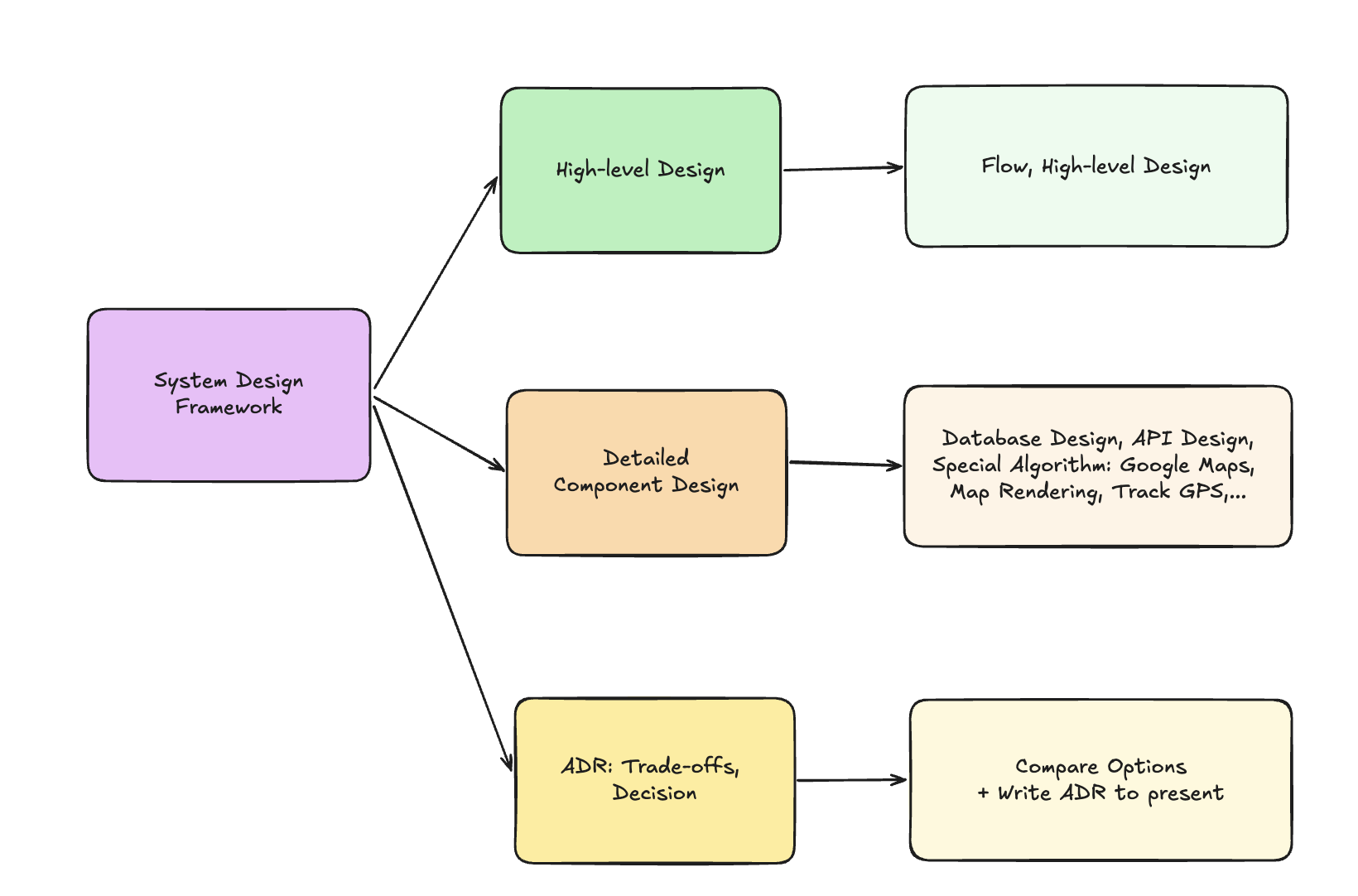
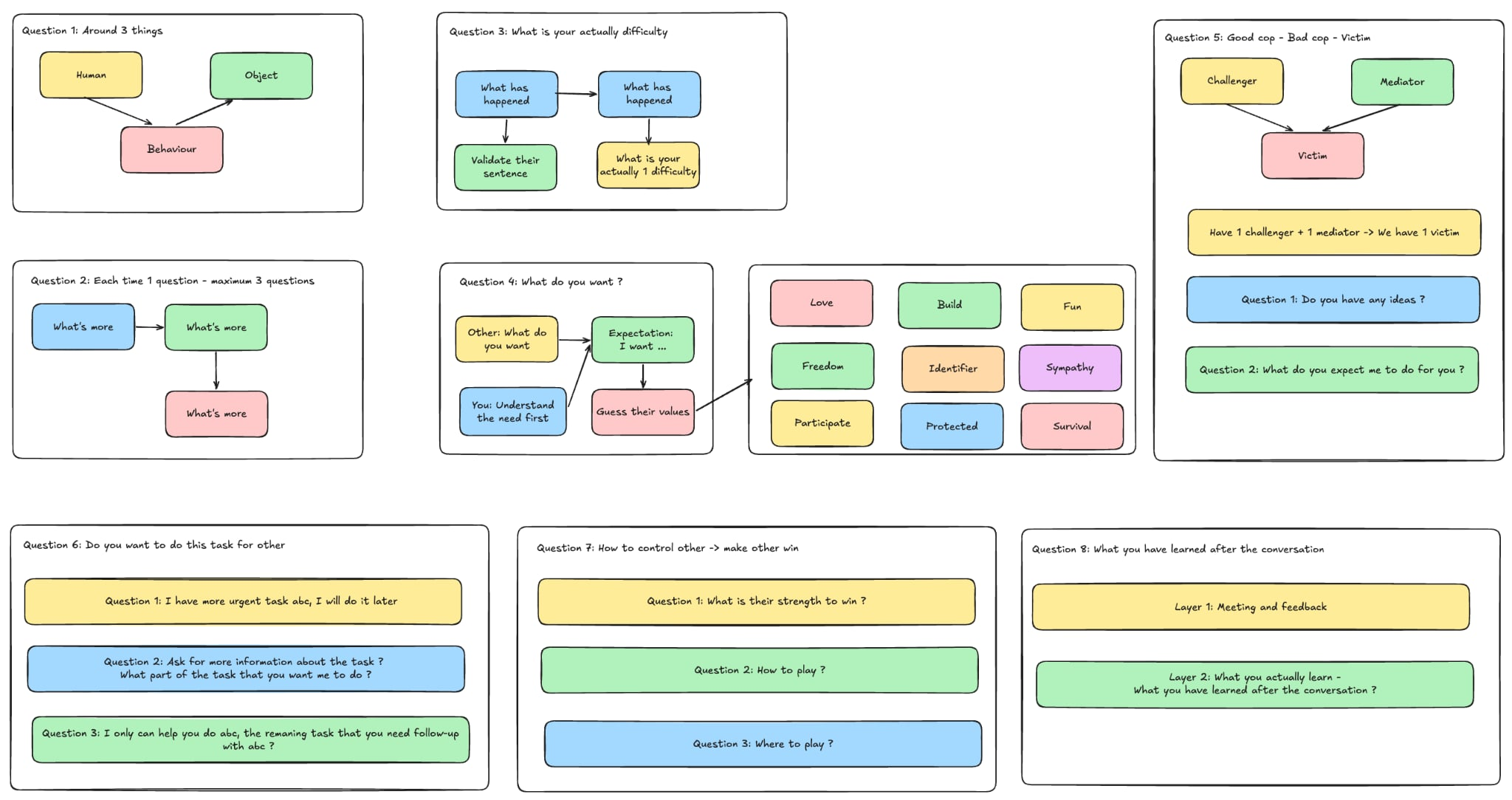
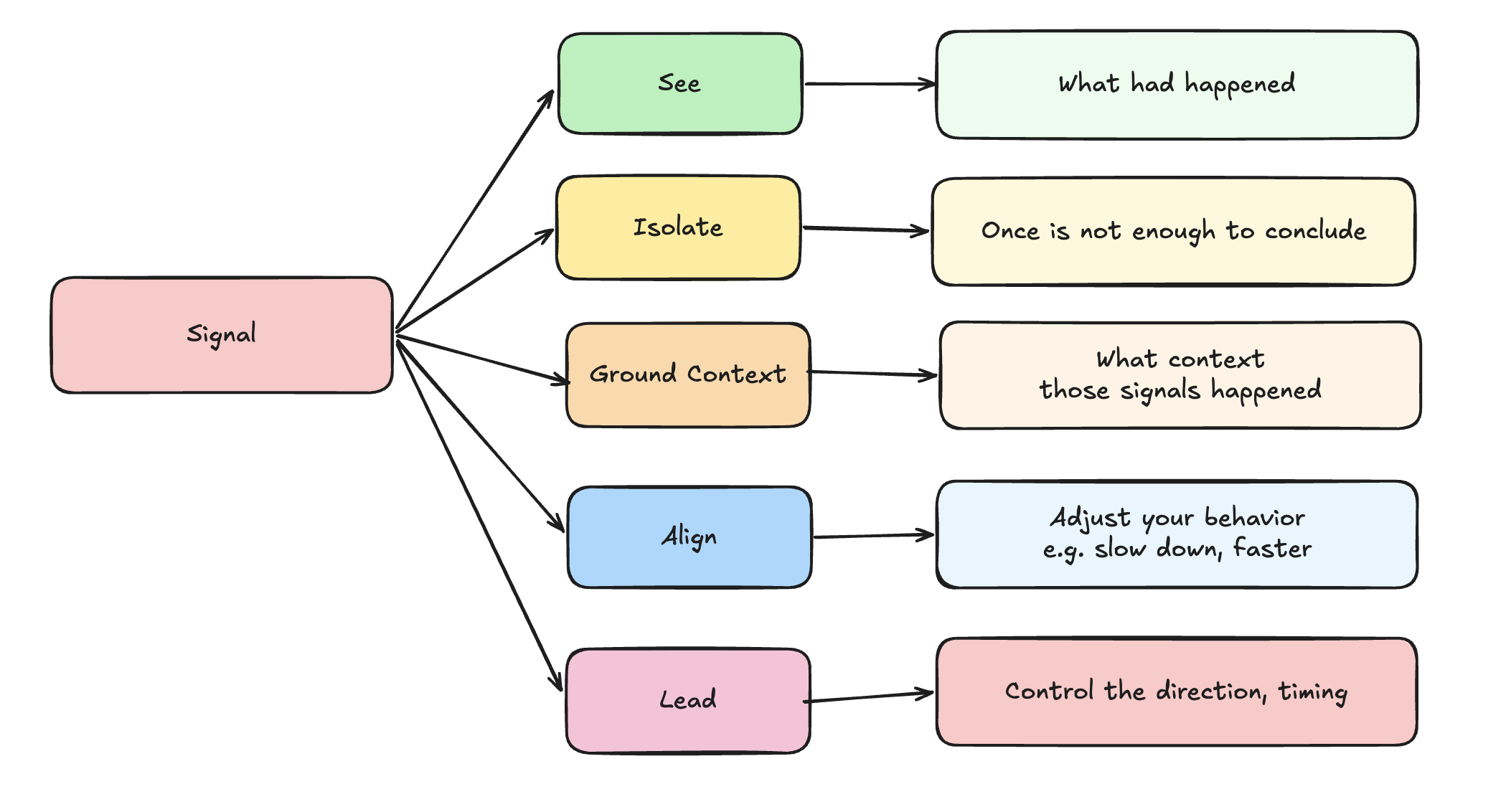
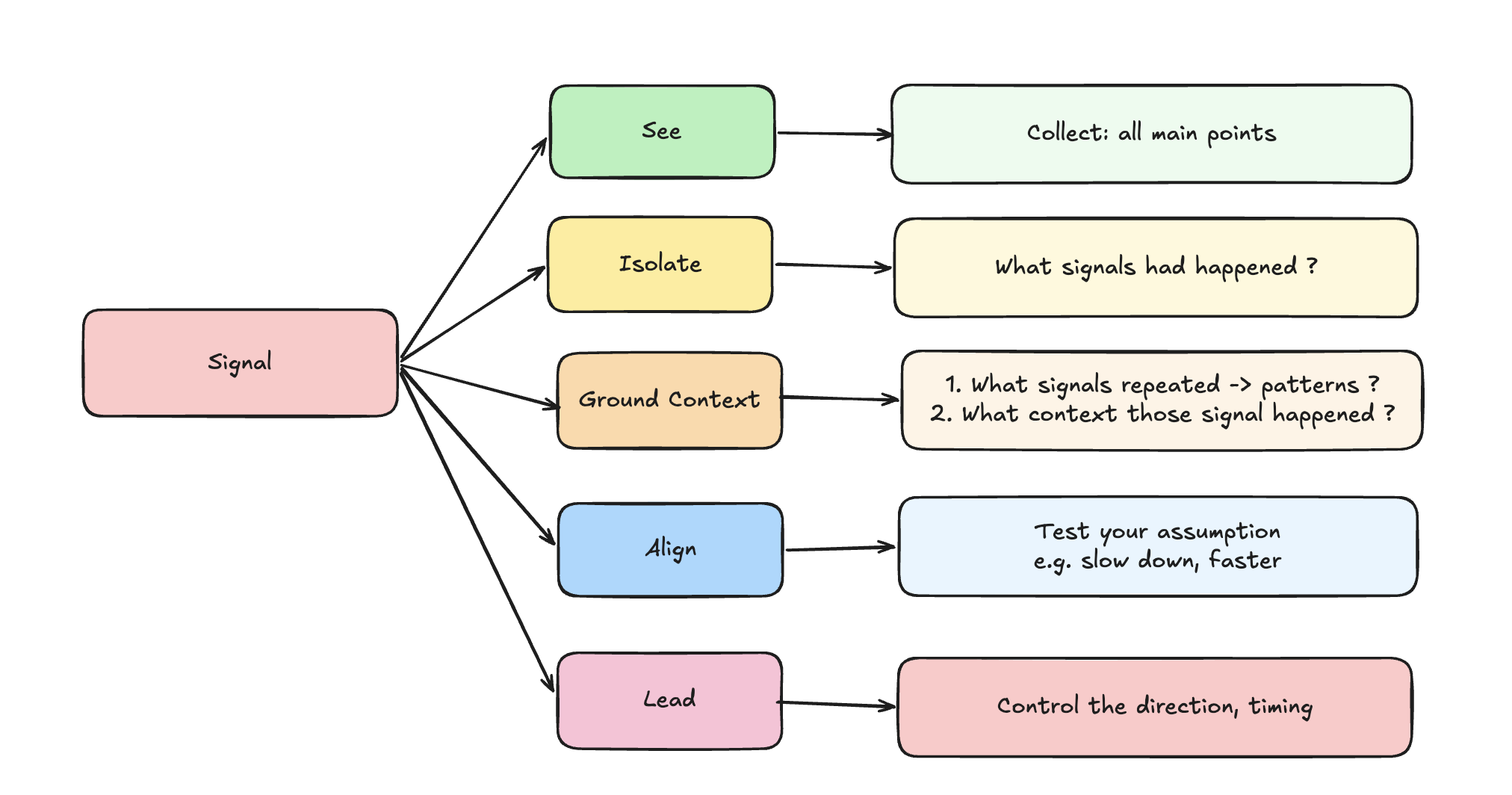
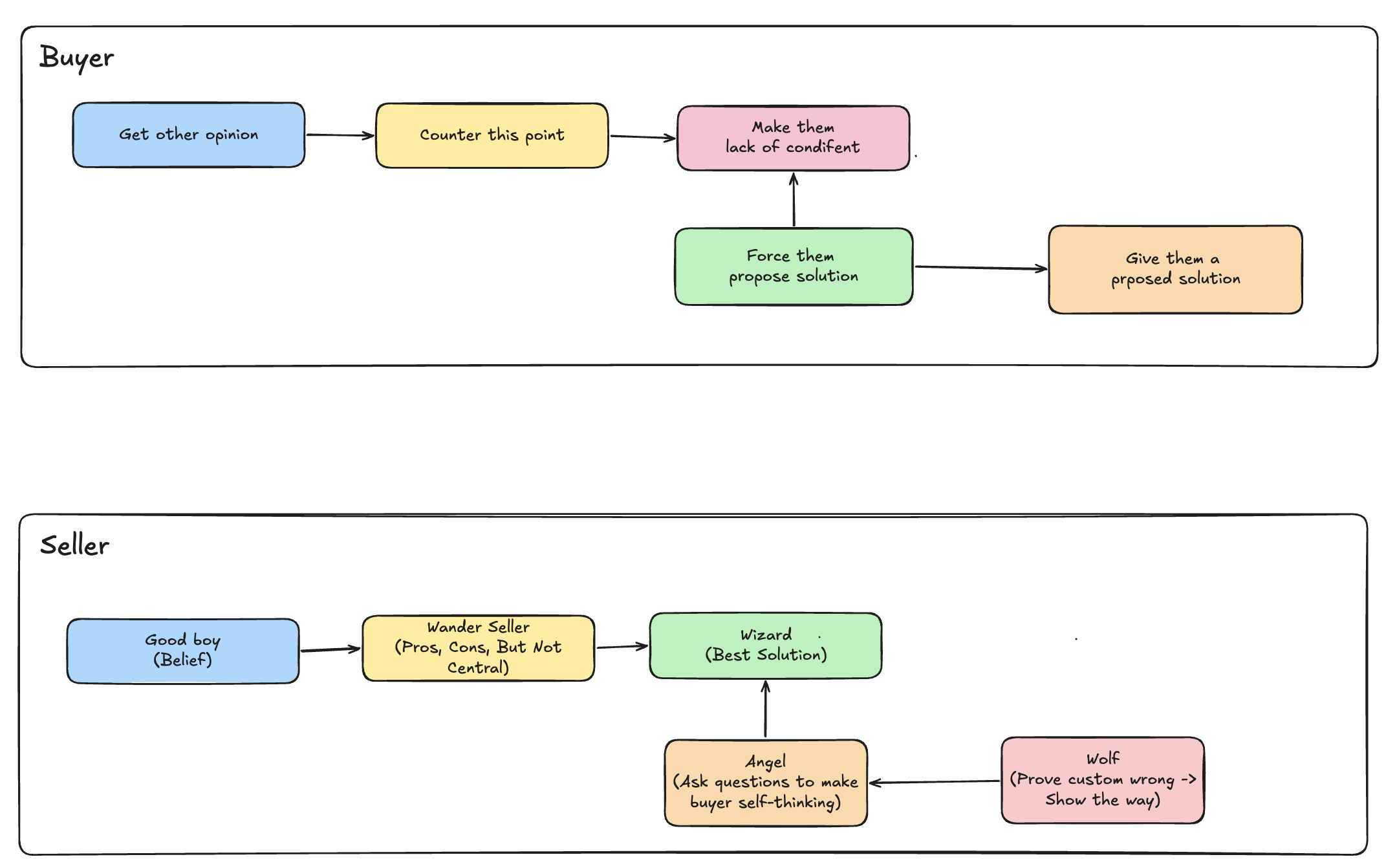
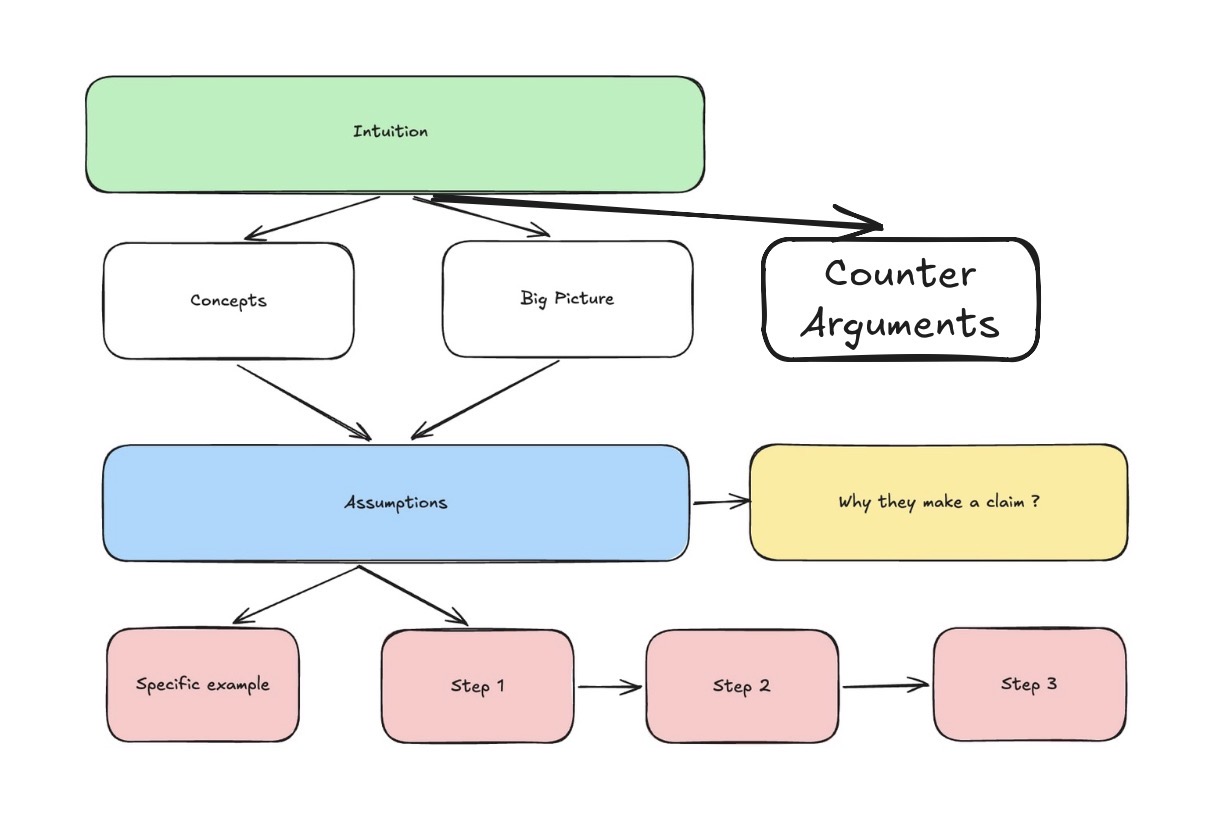
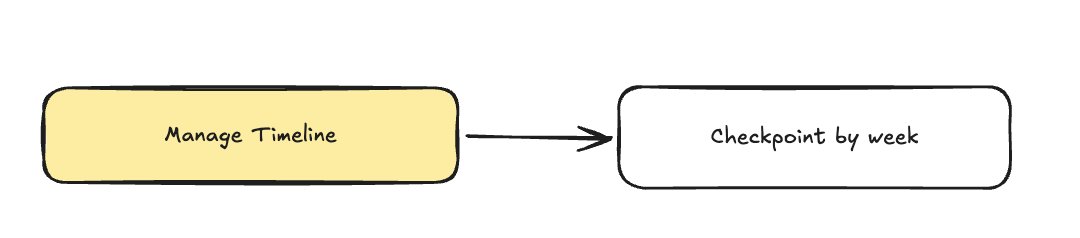
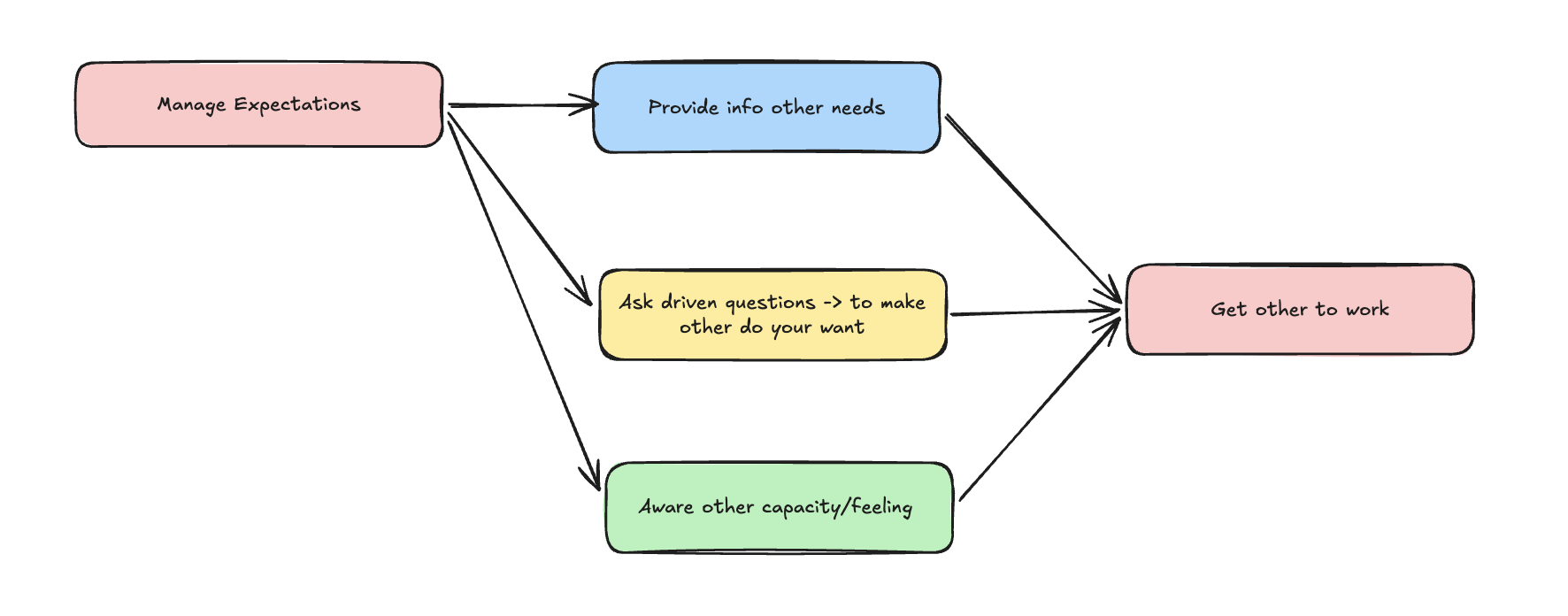
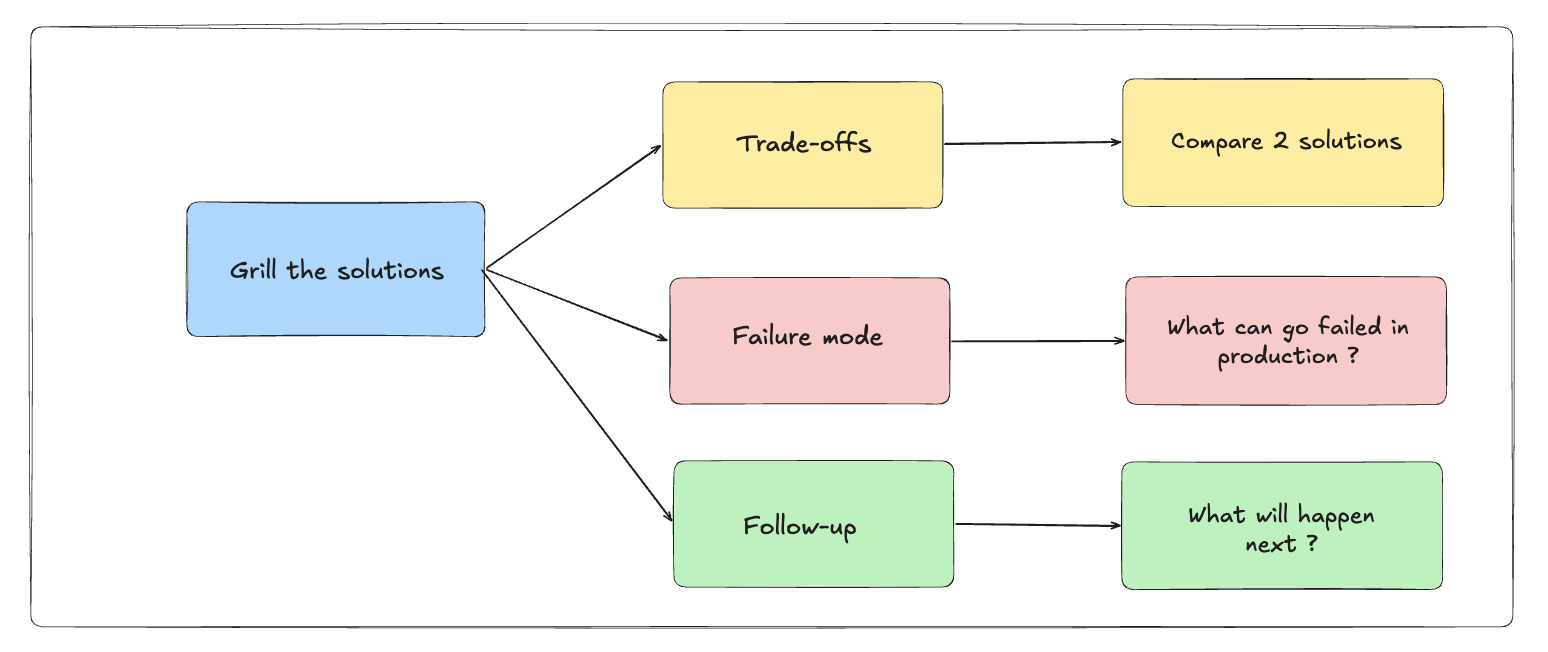
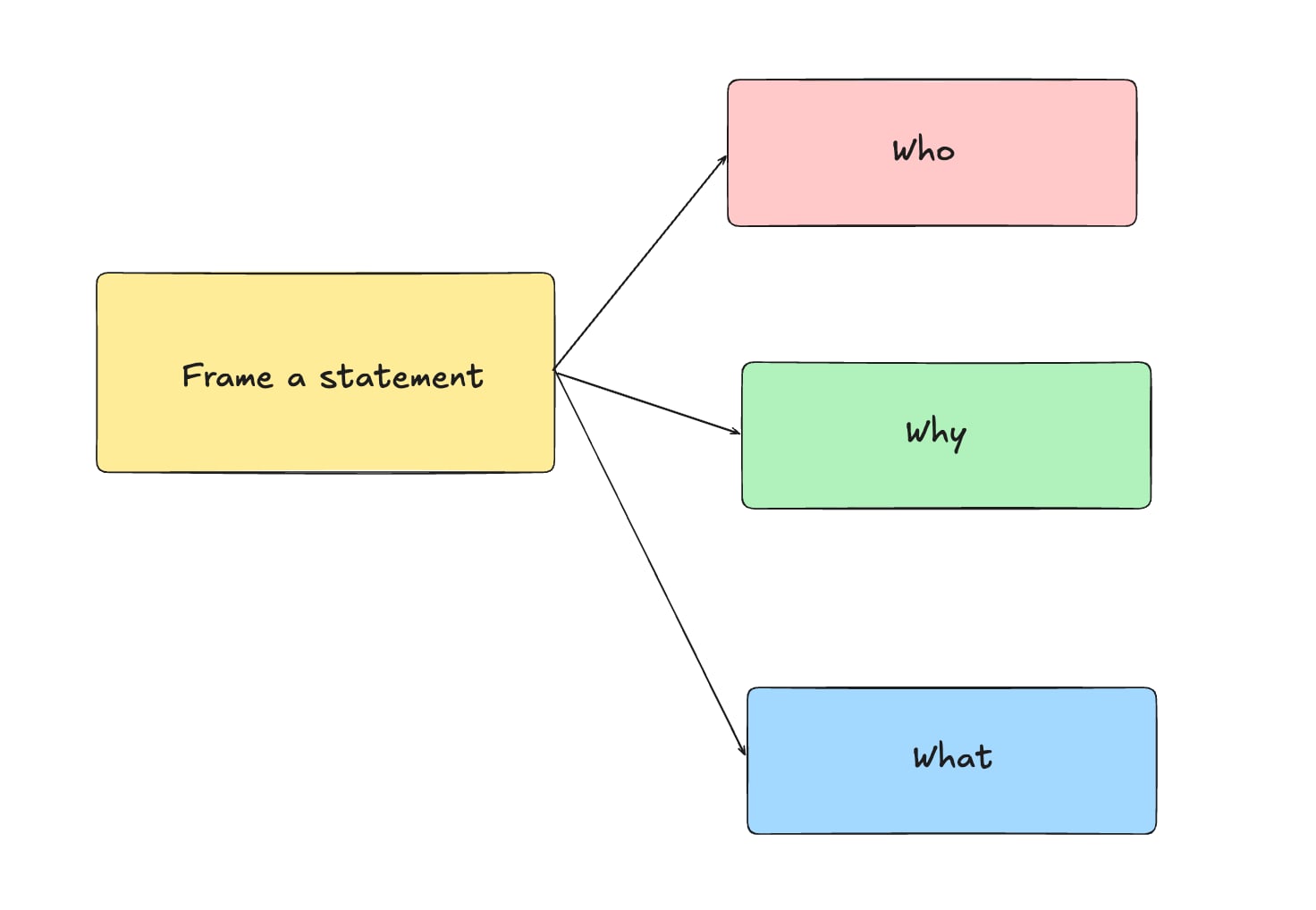
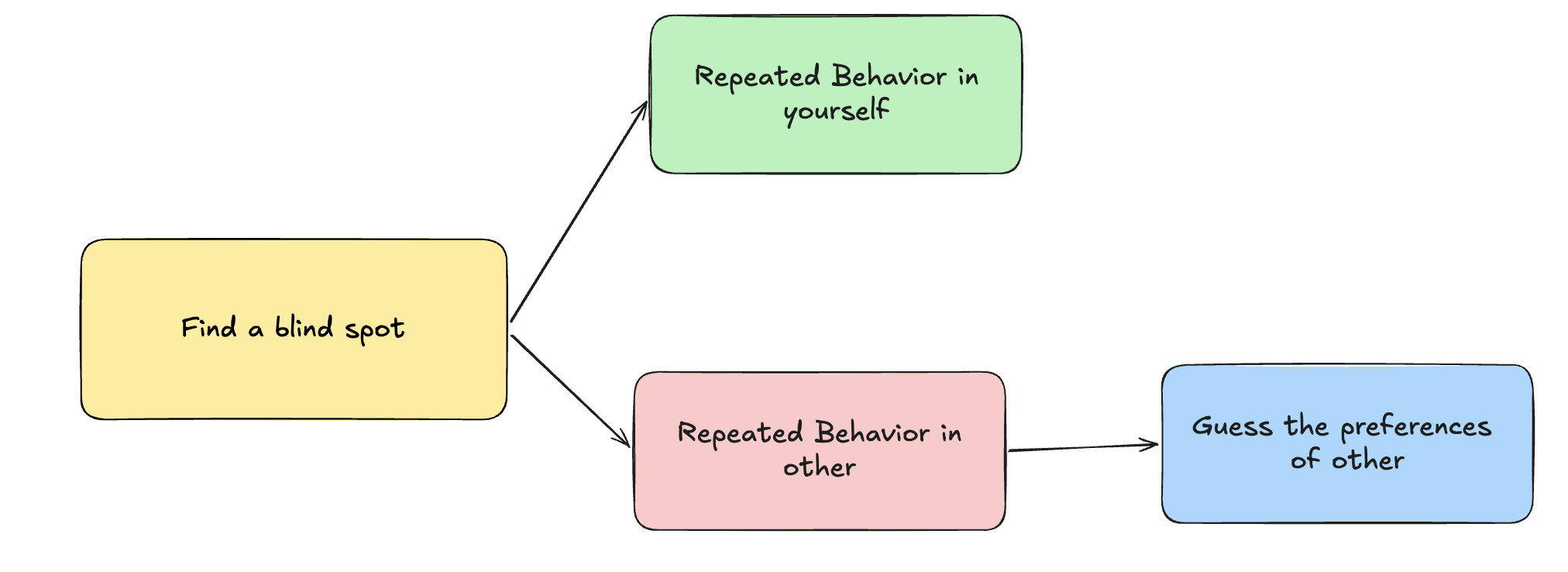
Framework to answer the question.
-
Why the right answer is good ?
-
Why other answer is bad ?
1. Question
A company collects data for temperature, humidity, and atmospheric pressure in cities across multiple continents. The average volume of data that the company collects from each site daily is 500 GB. Each site has a high-speed Internet connection. The company wants to aggregate the data from all these global sites as quickly as possible in a single Amazon S3 bucket. The solution must minimize operational complexity. Which solution meets these requirements?

A. Turn on S3 Transfer Acceleration on the destination S3 bucket. Use multipart uploads to directly upload site data to the destination S3
bucket.

B. Upload the data from each site to an S3 bucket in the closest Region. Use S3 Cross-Region Replication to copy objects to the destination S3 bucket. Then remove the data from the origin S3 bucket.

C. Schedule AWS Snowball Edge Storage Optimized device jobs daily to transfer data from each site to the closest Region. Use S3 Cross-Region Replication to copy objects to the destination S3 bucket.

D. Upload the data from each site to an Amazon EC2 instance in the closest Region. Store the data in an Amazon Elastic Block Store (Amazon EBS) volume. At regular intervals, take an EBS snapshot and copy it to the Region that contains the destination S3 bucket. Restore the EBS
volume in that Region.
2. Answer
Identify the Requirements
The important requirements are:
- Global sites (multiple continents)
- 500 GB/day per site
- High-speed Internet connection
- Aggregate data into one S3 bucket
- Upload as quickly as possible
- Minimize operational complexity
Key observations
- High-speed Internet → No need for offline transfer solutions.
- Single destination S3 bucket → Avoid intermediate storage.
- Minimize operational complexity → Use the fewest AWS services possible.
2.1. Why Option A is Correct
S3 Transfer Acceleration
Without Transfer Acceleration
Site (Europe)
      |
      | Internet
      |
US S3 Bucket
Traffic travels across the public Internet until it reaches the destination AWS Region.
With Transfer Acceleration
Site
   |
Nearest AWS Edge Location
   |
AWS Global Backbone (high-speed private network)
   |
Destination S3 Bucket
Instead of relying on the public Internet for the full journey, data enters AWS through the nearest CloudFront Edge Location, then travels across the optimized AWS Global Network.
Benefits
- Lower latency
- Faster uploads across continents
- More consistent network performance
- Designed specifically for long-distance uploads
Multipart Upload
Each site uploads 500 GB/day.
Instead of uploading one huge object:
500 GB File
S3 splits it into multiple parts:
Part 1
Part 2
Part 3
...
Part N
Benefits
- Upload parts in parallel
- Retry only failed parts
- Better throughput
- Faster overall upload
- Recommended for objects larger than 100 MB
Transfer Acceleration and Multipart Upload are commonly used together for large global uploads.
2.2. Why Option B is Incorrect
Architecture:
Site
   |
Nearest Regional S3 Bucket
   |
Cross-Region Replication (CRR)
   |
Destination S3 Bucket
Instead of:
Site
   |
Destination S3 Bucket
the data now takes two hops:
Site
   ↓
Local S3 Bucket
   ↓
Destination S3 Bucket
Problems
- Requires additional S3 buckets
- Requires Cross-Region Replication configuration
- Additional storage cost
- Additional replication delay
- Lifecycle policies needed to delete temporary data
- More operational overhead
Although CRR works, it is slower and more complex than uploading directly.
2.3. Why Option C is Incorrect
Snowball is designed for situations like:
- Petabytes of data
- Poor or limited Internet connectivity
- One-time migrations
Example:
100 PB Data Center
      ↓
Ship Snowball Device
      ↓
AWS
In this question:
- Only 500 GB/day
- High-speed Internet already exists
- Continuous daily uploads
Scheduling Snowball devices every day would be unnecessary and operationally expensive.
2.4. Why Option D is Incorrect
Architecture:
Site
   ↓
EC2 Instance
   ↓
EBS Volume
   ↓
EBS Snapshot
   ↓
Copy Snapshot
   ↓
Restore Snapshot
Problems:
- Requires EC2 instances
- Requires EBS volumes
- Requires snapshot management
- Snapshot copy between Regions
- Snapshot restore process
- Not intended for object storage ingestion
This is significantly more complicated than directly uploading to Amazon S3.
2.5. AWS Service Intent
Each AWS service is designed for a specific use case.
| Service | Primary Use Case |
|---|---|
| S3 Transfer Acceleration | Fast uploads to S3 from anywhere in the world ✅ |
| S3 Cross-Region Replication (CRR) | Replicate data for disaster recovery or regional copies |
| AWS Snowball | Offline migration of massive datasets |
| Amazon EBS Snapshots | Backup and restore block storage |
This question tests whether you recognize the intended AWS service for the given scenario.
2.6. AWS Exam Tip
Whenever you see:
- 🌍 Global users or sites
- 🚀 Need the fastest upload speed
- 🌐 Reliable high-speed Internet
- 📦 Uploading directly to Amazon S3
Think:
Amazon S3 Transfer Acceleration + Multipart Upload
This is the AWS-recommended solution because it provides:
- Fast global uploads
- Direct upload to the destination bucket
- Minimal operational complexity
- High throughput for large objects
Correct Answer: A