



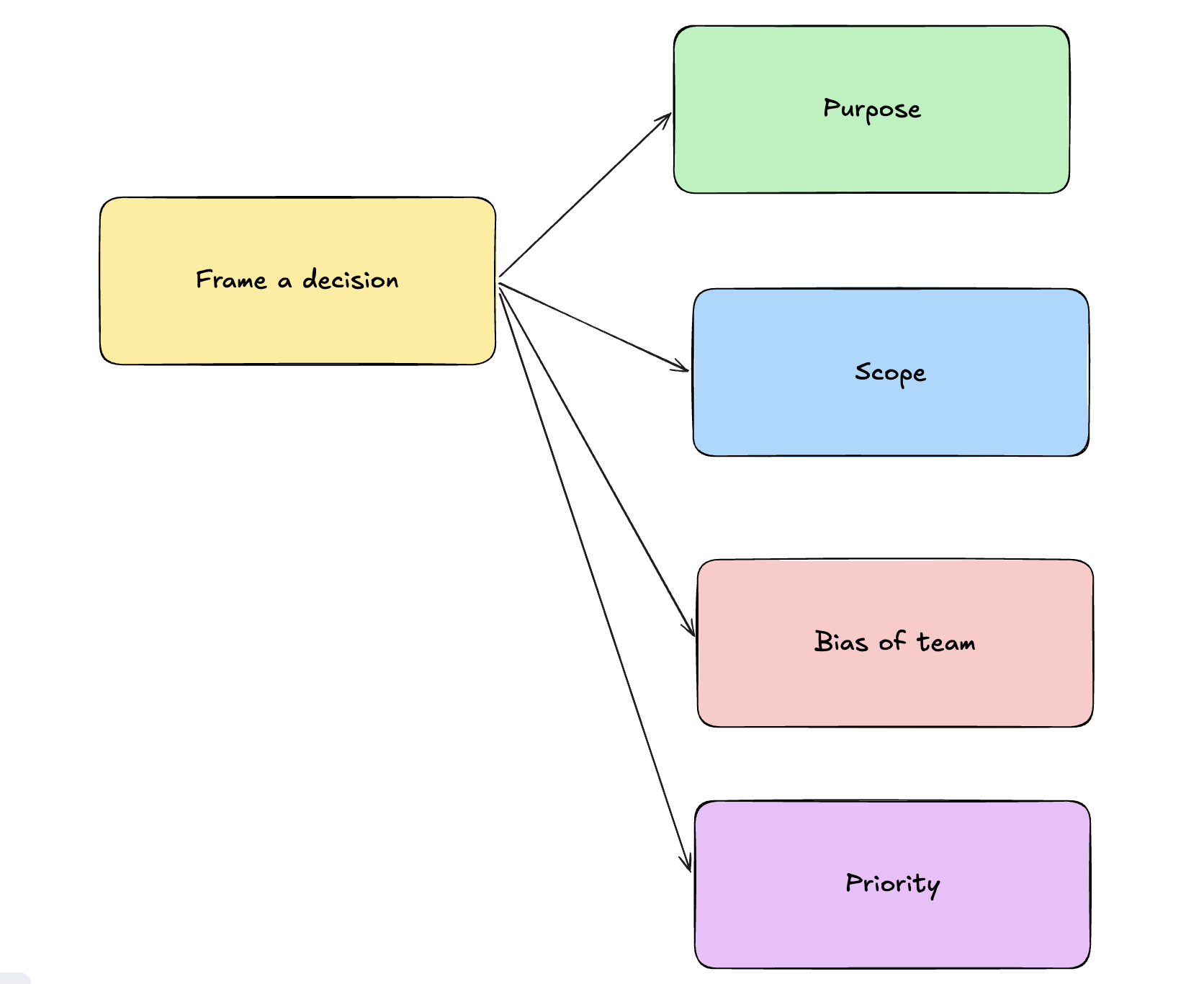
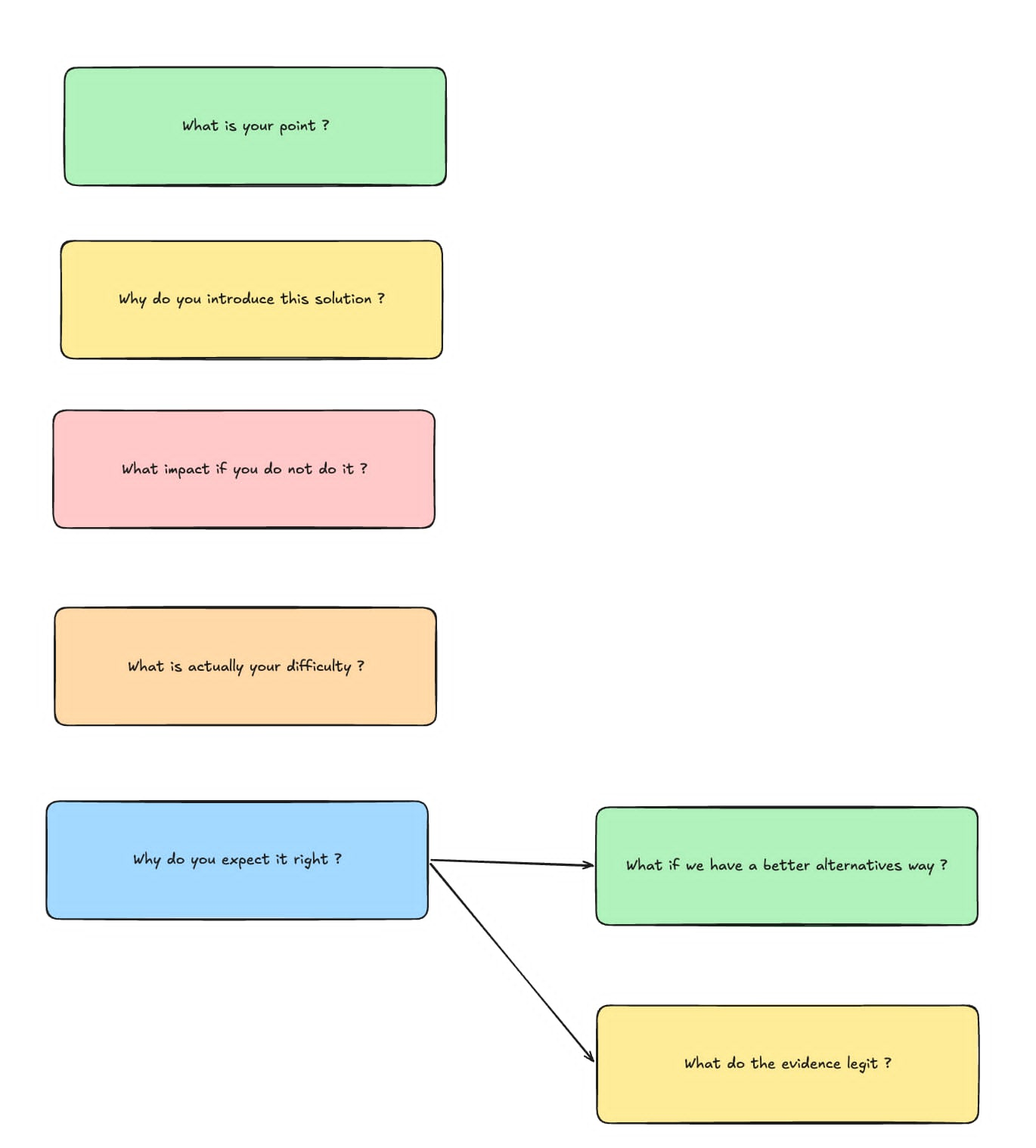
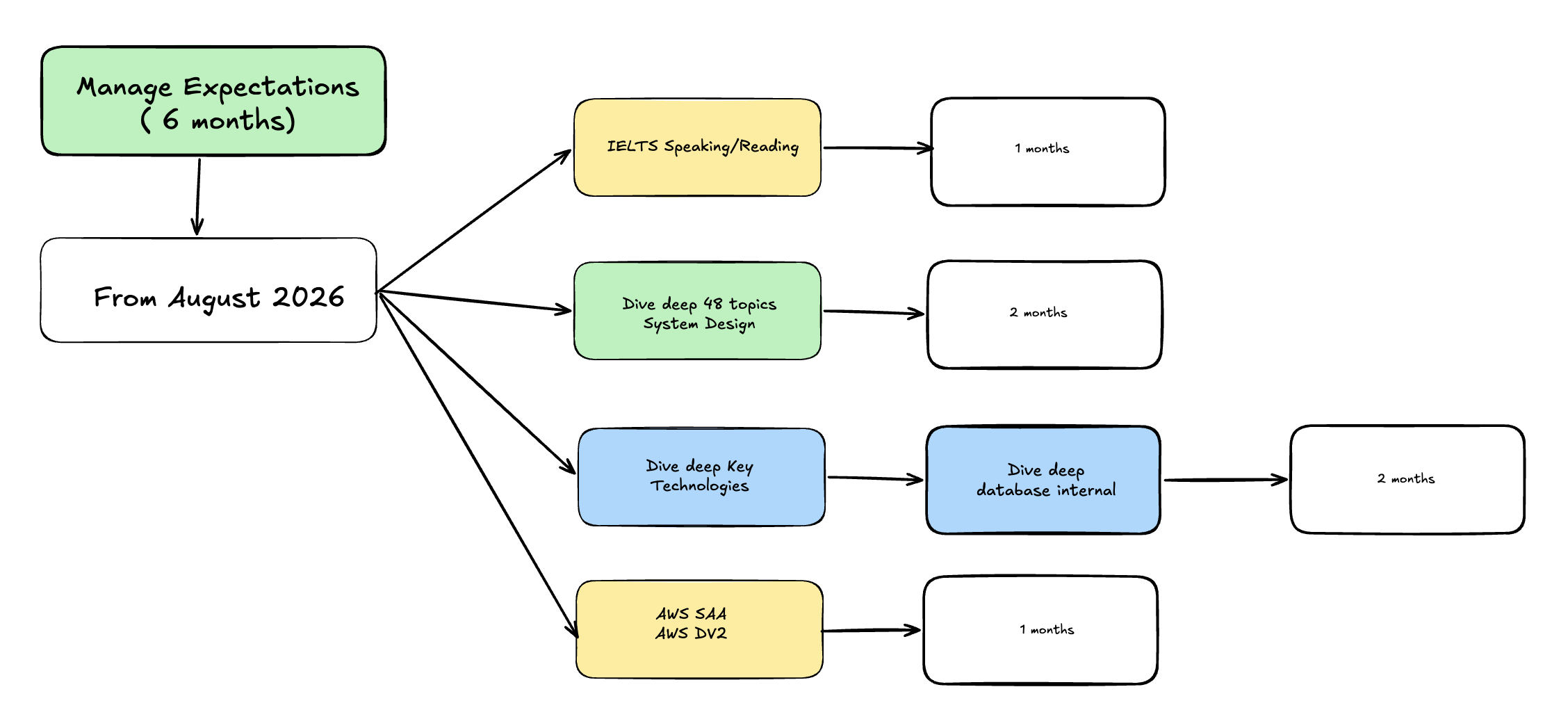
How to read a documents and take notes
Here is multiple style to read and take notes for a document.
1. Note Taking
1.1. The Sentence Method
-
Break the section into multiple Sentences
-
Including: S + V, reasons, detailed info.
1.2. The Charting Method
-
Main idea + comparison between each sections.
-
Pros: use when translate and present idea for stakeholders.
-
Cons: Lack of details
1.3. The Chunking
- Find 5Ws and 1H per sentence:
- Who?
- What?
- When?
- Where?
- Why?
- How?
-
Summary each sentence shorter but keep facts of 5 ideas.
-
Pros: use in summary -> write it shorter but keep facts.
- Cons: lost more details
2. Hierachy thinking
2.1. Mind mapping
-
Step 1: main topic.
-
Step 2: Create sub topics.
-
Pros: hierachy thinking
-
Cons: lack of details.
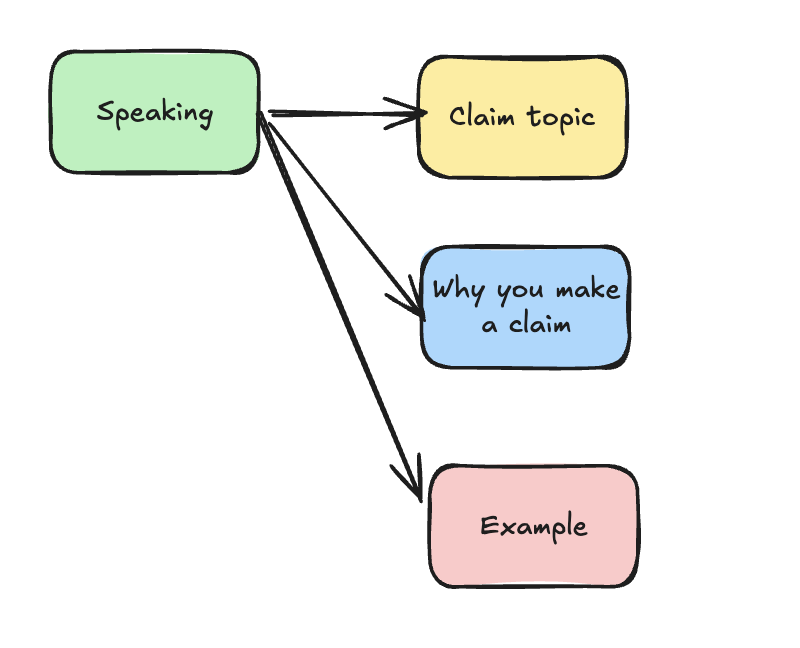
2.2. QEC Method
- Method = Questions + Evidence + Conclusion
2.3. The Pareto Principle: 20/80 rule
- When read a doc: 20% important, 80% read later.
2.4. Zettelkasten method
-
Fleeting Notes: Quick ideas captured on the go. They’re not permanent, and are meant to be refined at a later point.
-
Literature Notes: Notes taken from texts. One note is one idea (i.e., not a summary).
-
Permanent Notes: These represent your long term, “banked” knowledge base. These ideas are fully expanded and established, and they connect to other permanent notes in the web.
-
Reference Notes: A way to track metadata, i.e., information about the connections between notes, often in the form of a “tag”, digital or not.
3. Reading Comprehension
3.1. Effective Highlighting
3.2. Active Listening and Note Taking
3.3. Top-down Self-questioning for Deeper Comprehension
-
Self-questioning (SQ) is called a top-down approach; you ask and answer your own questions while reading or listening.
-
Outline Formating: Key information + Structured
4. Deeper Comprehension and Lasting Memory
4.1. Writing by Hand Increases Memory
4.2. Schemata are our prior capacities, abilities, knowledge and experiences that,
-
When strategically activated, give us access to new concepts.
-
We learn by making connections and drawing meaningful links between new ideas and the things we already know.
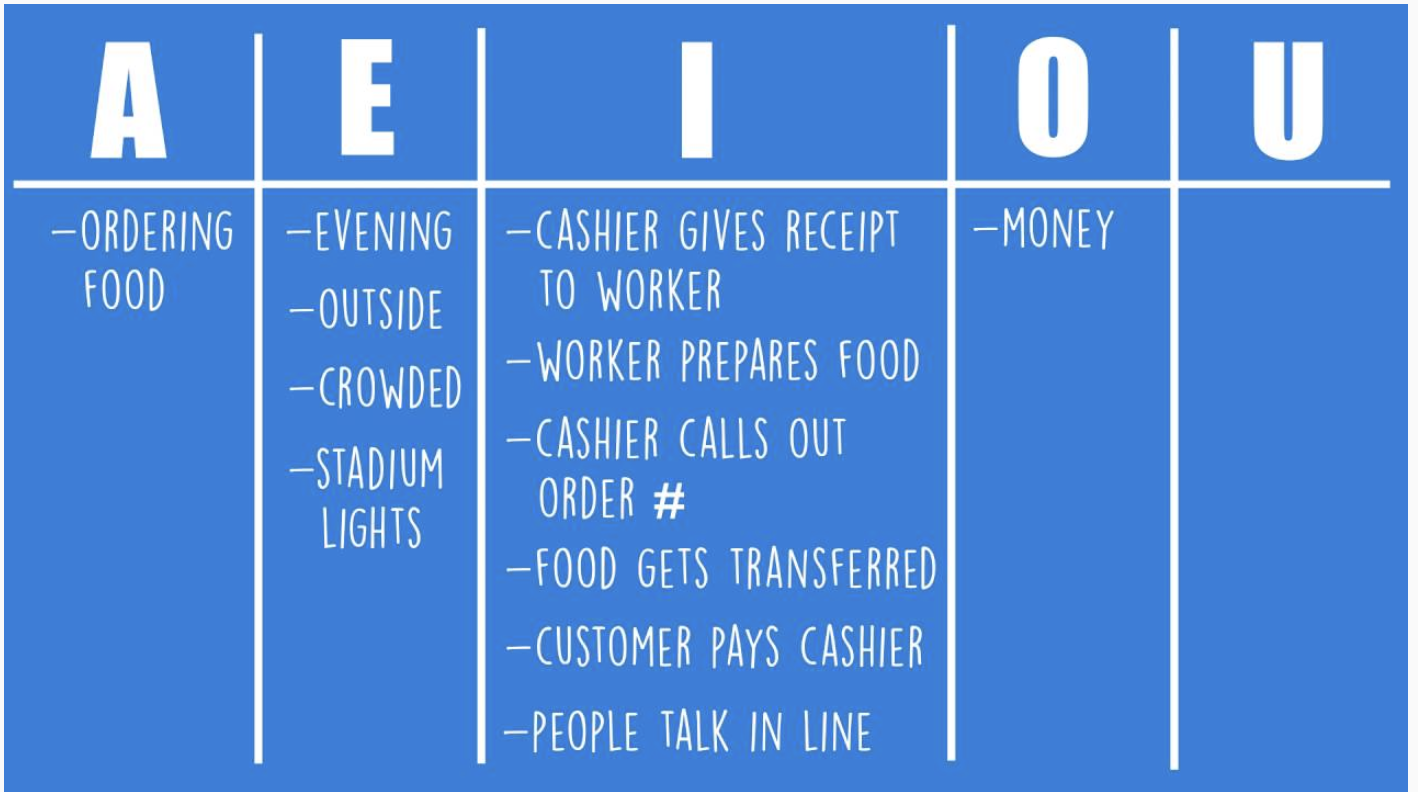
4.3. AEIOU and POEMS are two heuristic frameworks designed to organize observational learning.
-
AEIOU stands for the following 5 heuristic categories:
-
Activities
-
Environments
-
Interactions
-
Objects
-
Users
-
-
POEMS stands for:
-
People
-
Objects
-
Environments
-
Messages
-
Services
-
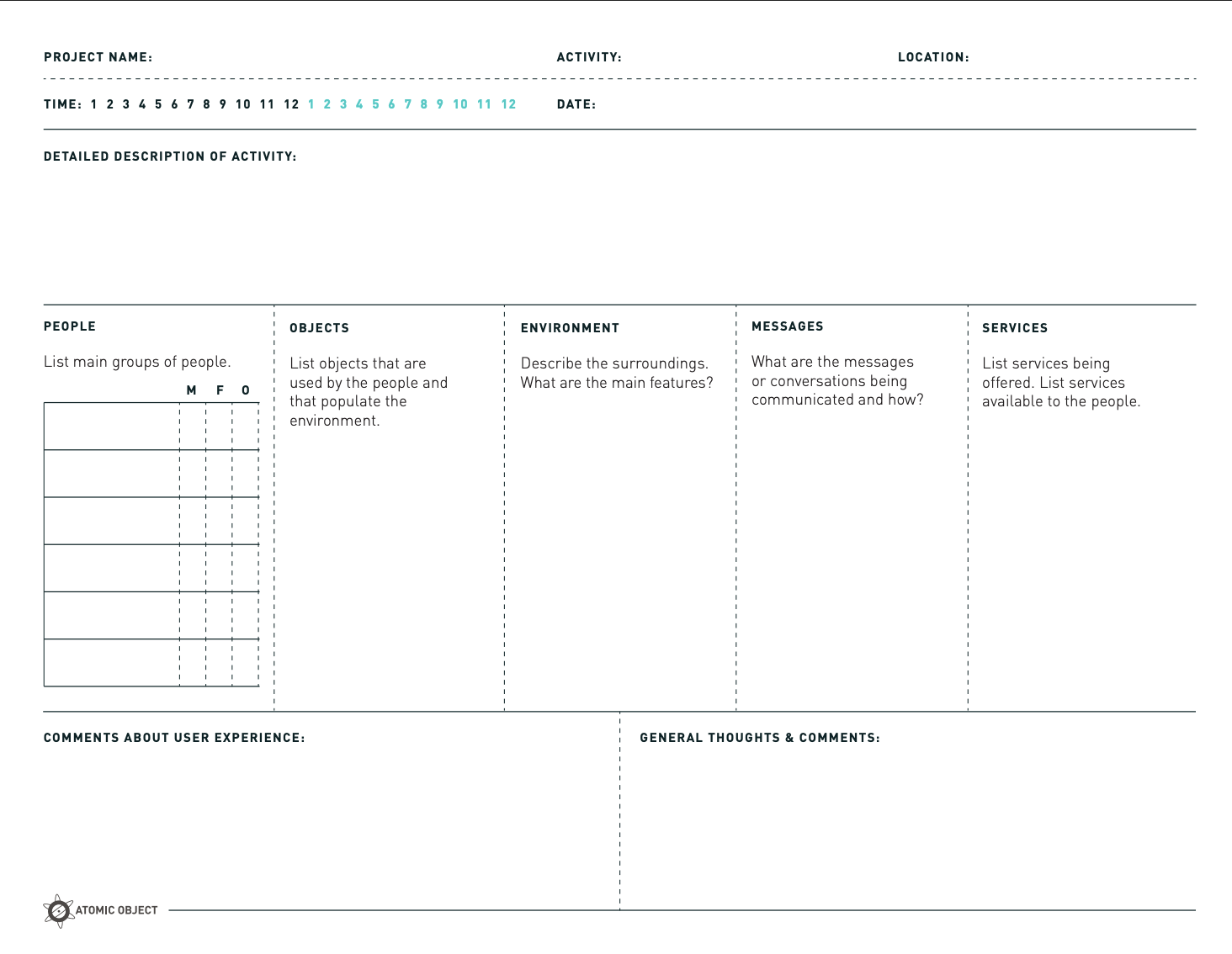
- These note taking methods allow us to conduct contextual investigations and “read” systems in real-time. Decide on your observation goal, print out a worksheet, and then make careful observations which you can later review and act on.
4.4. Overlearning
Overlearning means continuing to practice even after we have “got it.” Repetition and continuous review of notes leads to hyperstabilization. With mindful use of overlearning strategies, we deeply internalize information and can never forget it.
5. Master Abstraction, Analysis, and Critical Thinking
5.1. Reading Analytically Through Pigeonholing
-
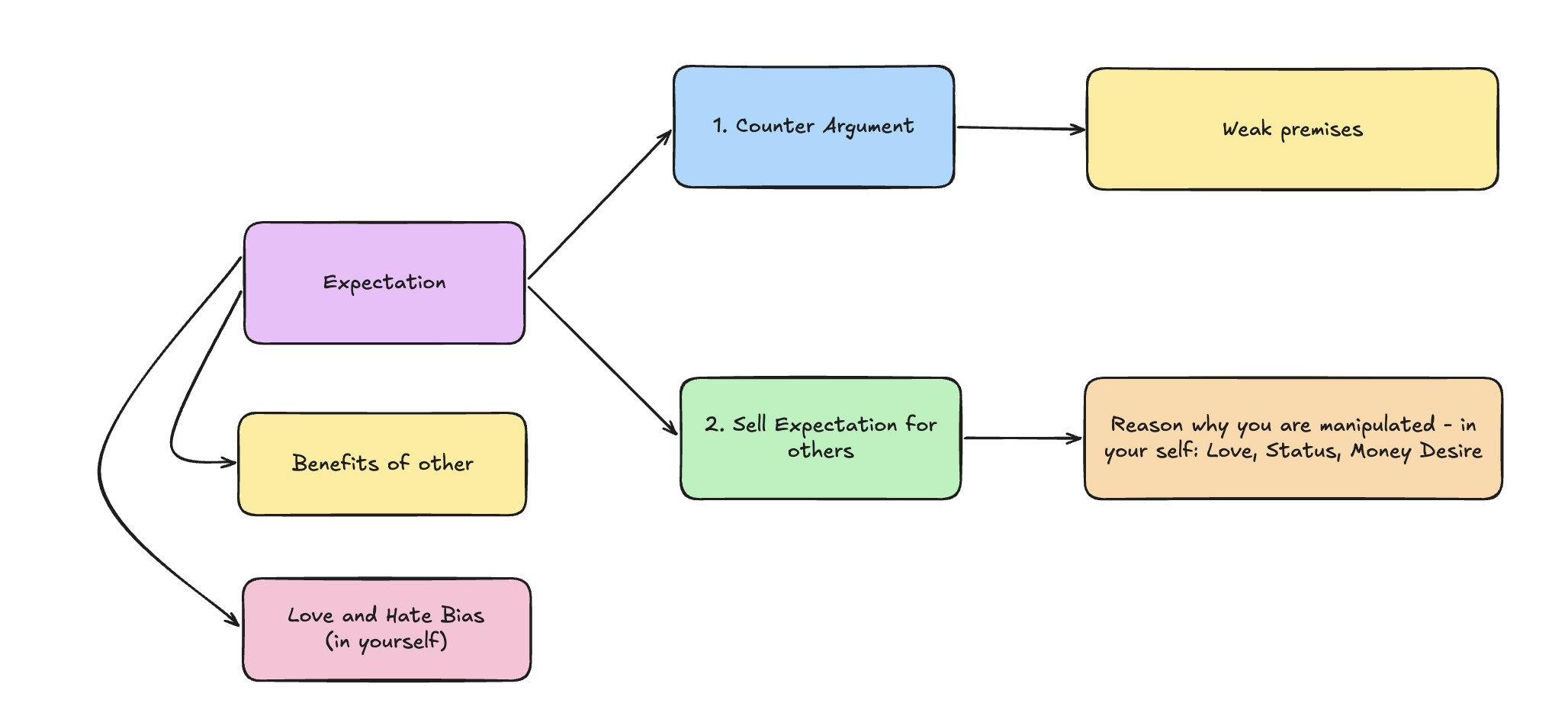
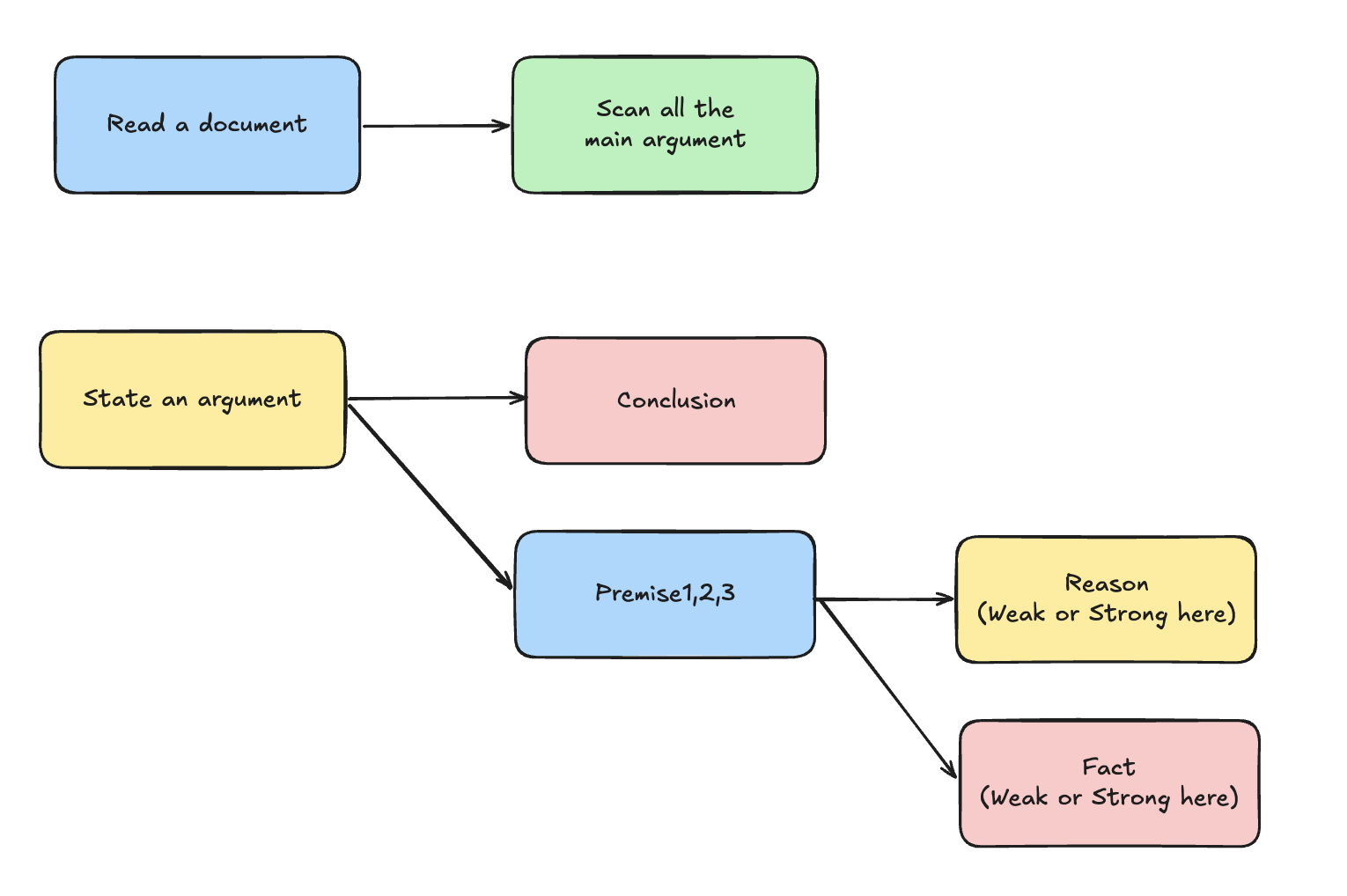
If it is to persuade: Carefully and fully evaluate the argument offered up, and evaluate and scrutinize its premises.
-
If it is to inform or teach: Commence breaking down and organizing the data to understand and apply it.
-
If it is to entertain, inspire, or encourage: No special intellectual effort is required! Engage your emotions, and receive the message with your higher sentiments and perceptions.
-
If it is to deceive: Recognize the deception clearly and discount it.
5.2. The Three Level Reading Guide–from Shallow to Deep
-
Level 1: Reading “on the lines”
- As you read, note down or highlight key details, not unlike the way you identified the “5Ws and an H” in the GIST technique described earlier. Questions to ask: Who, what, when, where?
-
Level 2: Reading “between the lines”
- Reading some connection between 2 sentence.
-
Level 3: Reading “beyond the lines”
-
Move the context to the world.
-
How the idea fit the work.
-
5.3. The SPE Method for Better Critical Reading
-
Find the structure of argument
-
Premise 1
-
Premise 2
-
Conclusion
-
-
Evaluate each sentence.
5.4. ADEPT Method
-
Use to understand new concepts.
-
Use metaphors, illustrations, examples, and clear, simple language to hone in on the concept, and keep referring back to the complete technical definition.
6. Analyze and Synthesize
6.1. Compile a KWL Chart
-
Know
-
Want to know
-
Learn
6.2. The REST Method
-
Note 1
-
Note 2
-
Synthesis the overlap.
-
Think about new idea.
6.3. Becoming a Syntopical Reader
-
Elementary reading is reading for comprehension of key facts
-
Inspectional reading is reading for comprehension of narrative, logical structure, and order
-
Analytical reading is reading for implicit meaning and interpretation
-
Syntopical reading is reading of the deepest, broadest kind, where we analyze multiple texts in a broader context