



Grab - Segmentation Platform
Here is solutions for Segmentation Platform of Grab.
1. What is it ?
-
When a passenger launches the Grab app, our in-house experimentation platform will tailor the app experience based on the segments the passenger belongs to.
-
When a driver-partner goes online on the Grab app, the Drivers service calls Segmentation Platform to ensure that the driver-partner is not blacklisted.
-
When launching marketing campaigns, Grab’s communications platform relies on Segmentation Platform to determine which passengers, driver-partners, or merchant-partners to send communication to.
2. What is 2 flows ?
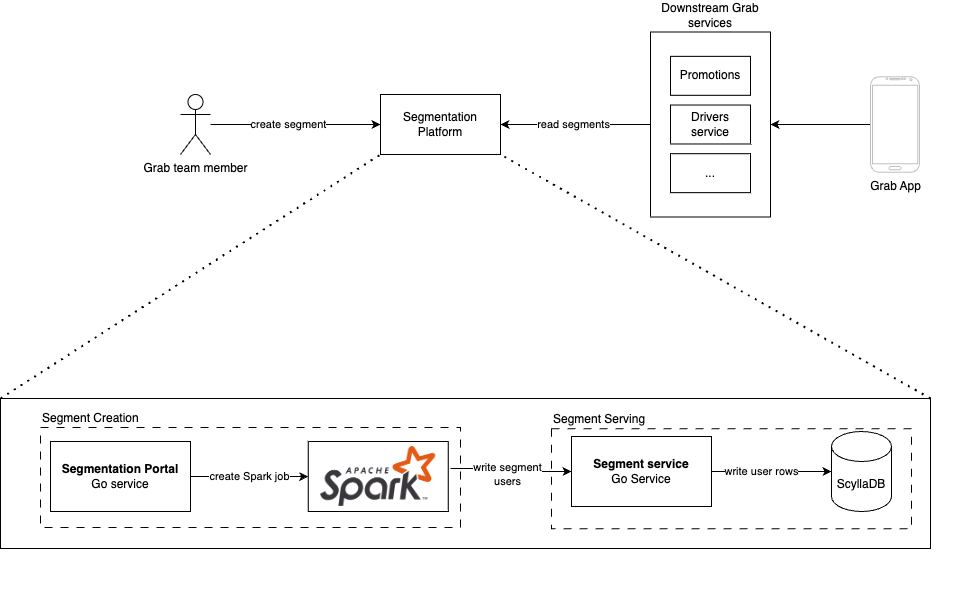
Segmentation Platform comprises two major subsystems:
- Segment creation
- Segment serving
2.1. Segment Creation
- Admin tool -> Spark job -> Data Lake -> Segment.
2.2. Segment serving
-
We chose to use ScyllaDB as our NoSQL store due to its ability to scale horizontally and meet our <80ms p99 SLA.
-
The table is partitioned by the user ID ensuring that segment data is evenly distributed across the ScyllaDB clusters.
| User ID | Segment Name | Other metadata columns |
|---|---|---|
| 1221 | Segment_A | … |
| 3421 | Segment_A | … |
| 5632 | Segment_B | … |
| 7889 | Segment_B | … |
3. What are problems ?
P1: The segment is created long-time.
P2: Request low lagency when check membership.
4. What is solutions ?
4.1. Segments as bitmaps (Denormalized into new column)

Cons:
- For example, if a segment contains 2 user IDs 100 and 200,000,000, it will require a bitmap containing 200 million bits (25MB) where all but 2 of the bits are just 0.
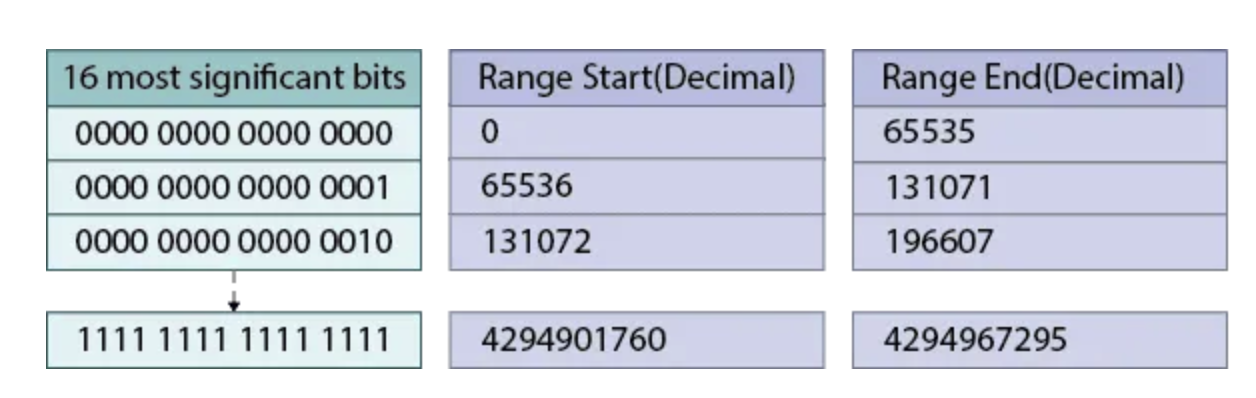
4.2. Roaring Bitmaps (Solve fragment storage, segment by range)
4.3. Caching with Redis Layer for hot segment
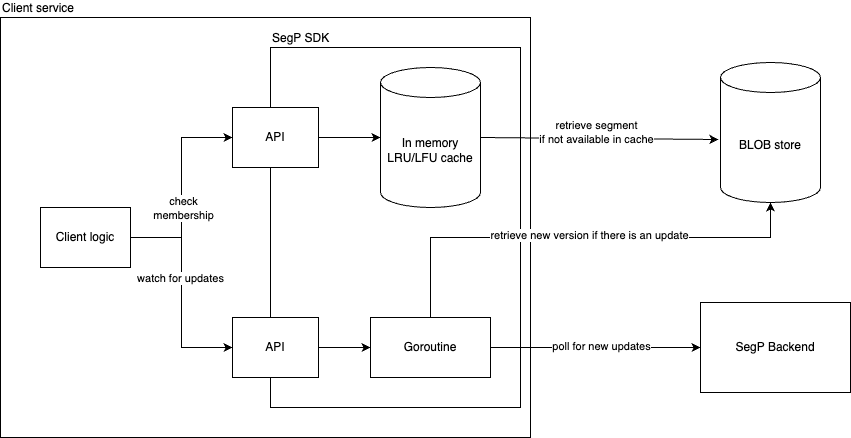
5. What are teams to implement it ?
5.1. Communications Platform
- Using the SDK, the team is able to perform membership checks on multiple multi-million member segments, achieving peak QPS 15K/s with a p99 latency of <1ms.
5.2. Experimentation Platform
- Prior to using the SDK, Experimentation Platform limited the maximum size of the segments that could be used to prevent exhausting a service’s memory.